
I've been accused of being a "suspension snob" recently. Maybe I am. But I earned that title the hard way – by driving 8,000 miles on a set of coilovers that cost less than a set of decent tires, and then swapping to a setup that cost three times as much. The difference? It's not just ride quality – it's confidence, consistency, and actually enjoying the car.
Here's the story of my E46 330i, a car that I bought as a daily driver but quickly turned into a dual‑purpose street/track machine. I wanted to lower it, improve handling, and look cool at cars and coffee. I didn't want to spend $2,000 on suspension because I was young and stupid. So I bought a set of "Godspeed" coilovers – the ones with the bright red springs and the adjustment knobs that felt like they were filled with sand.
Spoiler: they were awful. But I didn't know that until I replaced them.
The Cheap Coilovers – What I Got for $650
I bought them from a reputable‑enough online retailer. The brand is called "MaxSpeedingRods" – I know, the name should have been a warning. They were 32‑way adjustable (who needs 32 clicks?), with spring rates of 8kg/mm front and 6kg/mm rear. On paper, that's stiffer than stock but not absurd.
Installation: Straightforward. They bolted right in, came with new top mounts, and the ride height was easy to dial in. I slammed the car – too low, actually – because I wanted that "stance" look. I later raised it to a functional height, but the damage was done.
The first 1,000 miles – honeymoon phase: The car looked amazing. The ride was firm, but I told myself it was "sporty." Every bump felt like a punch, but I'd never driven a proper sports car, so I figured that's how it was supposed to be. I even took it to a track day at a local autocross and thought it handled "fine."
The next 7,000 miles – reality sets in: The ride became unbearable. The dampers started to fade – they'd get bouncy after 20 minutes of spirited driving. The adjustment knobs became stiff, and I couldn't feel any difference between settings. The car would crash over expansion joints, and the rear end would skip over mid‑corner bumps, making it unpredictable. I avoided potholes like they were land mines.
Track experience – two HPDE weekends: At Road Atlanta, the car was a handful. The dampers would overheat after three laps, and the rebound was so under‑controlled that the car would bounce and lose traction. I was fighting the suspension instead of driving. My best lap was a 1:52.3 – which is embarrassingly slow for a 330i on decent tires. The car felt like it had no grip, and I blamed the tires. But the tires (Michelin PS4S) were fine – it was the dampers.
What I learned: Cheap coilovers use basic twin‑tube dampers with poor valving, low‑quality oil that froths and fades, and seals that leak. The spring rates are often mismatched to the valving, so the ride is either too stiff or too bouncy. They're designed to look good at a car show, not to perform on a road or track.
The Replacement – Revalved Bilstein B8s with H&R Springs
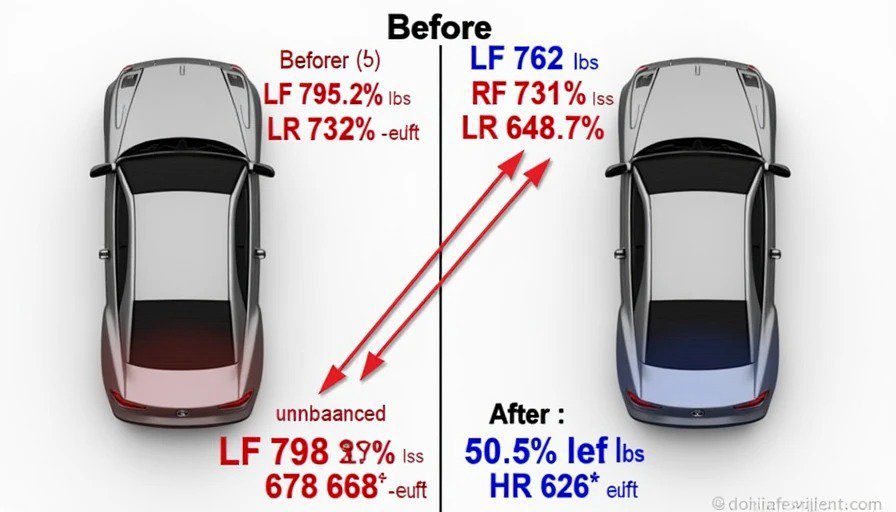
After the second track weekend, I sold the cheap coilovers for $200 on Facebook and started researching proper suspension. I didn't want to go full race‑spec – this is still a daily driver. I landed on Bilstein B8s, which are monotube, gas‑pressurized dampers with a shorter stroke (designed for lowering springs). They're not adjustable, but they're known for durability and consistent damping.
But I went one step further: I sent them to a specialist (ProParts in California) for a custom revalve. I gave them my spring rates (H&R Sport springs – 400 lb/in front, 350 lb/in rear), my weight (3,400 lbs with me), and my intended use (70% street, 30% track). They revalved the shocks to match those springs and my driving style – more low‑speed compression for body control, and more high‑speed rebound for bump absorption.
Cost:
Bilstein B8s: $750 (new, from Tire Rack)
Revalve service: $400 (including shipping)
H&R Sport springs: $300
New upper and lower mounts, hardware: $150
Total: $1,600 – about 2.5× the cheap coilovers.
The First 1,000 Miles on Bilsteins – Night and Day
The moment I rolled out of the driveway, I knew I'd made the right choice. The car absorbed bumps instead of crashing over them. The steering felt more precise because the dampers kept the tires planted. The ride was actually softer over small bumps, but firmer in body roll – exactly what you want.
Street manners:
Expansion joints: a gentle thud, not a jarring bang.
Bumpy back roads: the car tracked straight, no bouncing or skipping.
Highway cruising: composed and quiet, almost like a luxury car.
The car no longer felt like it was going to rattle apart.
Cornering feel: The initial turn‑in was sharper because the dampers controlled the weight transfer. Mid‑corner bumps were absorbed without unsettling the chassis. I could feel the tires working, not the suspension fighting.
Two HPDE weekends at Road Atlanta – now with real data:
I ran the car on the same tires (PS4S), same brake pads, and the same alignment as before. The only change was the suspension.
Best lap before (cheap coilovers): 1:52.3
Best lap after (Bilstein revalve): 1:48.7
That's a 3.6‑second improvement – purely from better dampers. But the bigger story was consistency. With the Bilsteins, my lap times were within 0.4 seconds of each other. With the cheap coilovers, they varied by 2 seconds because the dampers would fade.
Data from my AiM Solo:
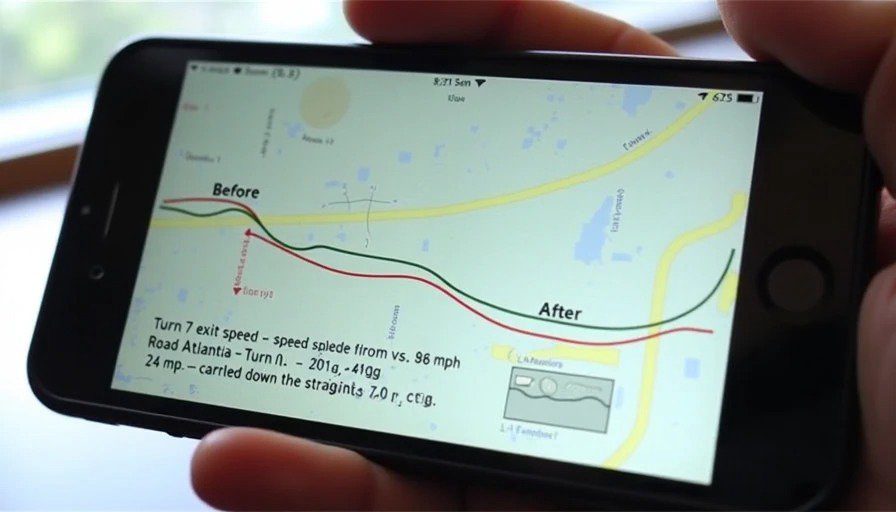
Metric | Cheap Coilovers | Bilstein B8 Revalve | Improvement |
|---|---|---|---|
Min corner speed (T7) | 52 mph | 56 mph | +4 mph |
Exit speed T10 (onto straight) | 78 mph | 82 mph | +4 mph |
Lateral G (peak) | 1.02 G | 1.12 G | +0.10 G |
Brake zone stability | Moderate pitching | Minimal pitch | Much better |
Rear grip on bumpy exits | Nervous | Planted | Massive |
The car was now predictable. I could brake later because the chassis stayed flat, and I could get on throttle earlier because the rear didn't skip over bumps. The Bilsteins gave me confidence to push harder.
The Ride Quality – Data Doesn't Capture Everything
You can't measure "confidence" on a spreadsheet, but it's the biggest difference. With the cheap coilovers, I was always hesitant – I'd lift off the throttle mid‑corner if I hit a bump. With the Bilsteins, I'd just drive through it. The car felt like an extension of my body, not a separate machine.
On the street, the Bilsteins are actually more comfortable than the cheap coilovers, even though they're better on track. That's because the valving is designed to absorb small impacts (high‑speed rebound) while controlling body motion (low‑speed compression). The cheap coilovers had no such nuance – they were stiff everywhere, which felt harsh but didn't actually control the chassis well.
One example: On a specific bumpy off‑ramp near my house, the cheap coilovers would make the rear end step out if I took it at 40 mph. With the Bilsteins, I can take it at 50 mph and it's rock solid. That's real‑world safety, not just track bragging.
The Longevity Question
I've now put 8,000 miles on the Bilsteins – the same mileage as the cheap coilovers. The Bilsteins feel exactly the same as day one. The cheap coilovers felt worse after 8,000 – the damping was inconsistent and the seals were starting to weep.
Bilstein's monotube design is inherently more durable because the oil and gas are separated, preventing foaming. And a revalve uses higher‑quality fluid and shim stacks that don't wear out quickly. I expect these to last 50,000+ miles.
The Verdict – Who Should Buy What?
Cheap coilovers are for:
People who want to look low for a season and don't care about ride or handling.
Weekend show cars that never see a track or a rough road.
Budget builds where function is secondary to form.
Drivers who aren't sensitive to ride quality and won't notice fading.
Revalved Bilstein B8s (or similar quality dampers) are for:
Anyone who actually drives their car – street, canyon, or track.
Drivers who prioritize grip, predictability, and comfort over slammed stance.
People who plan to keep the car for years and want a one‑time investment.
Those who understand that suspension is the most important performance upgrade after tires.
No comments yet.