A BMW E30 automatic is easy to dismiss as the less exciting version of a classic 3 Series. That is usually a mistake. A clean 1984–1991 sedan, coupe, or touring can make an excellent long-term project, especially for a builder who wants usable street manners instead of a permanently stripped track car. The automatic gearbox changes the inspection process, the build plan, and sometimes the insurance conversation. Buy the shell first, then decide how much performance you actually need.
Why the automatic E30 deserves a second look
The appeal starts with the chassis. E30s have compact dimensions, excellent visibility, simple mechanical systems, and a huge aftermarket. A BMW E30 automatic can handle commuting, weekend events, and gradual modification without demanding a complete teardown on day one. The automatic transmission also makes the car friendlier in traffic and gives you a strong baseline for a family-oriented street build.
Most cars use a ZF 4HP22 or a similar four-speed automatic, depending on model year and engine. These are not modern eight-speed units, but a healthy transmission should select gears cleanly, engage reverse without a long delay, and avoid flaring between shifts. A hard shift is not automatically a death sentence. Low fluid, old seals, a tired valve body, or a misadjusted throttle cable can all create problems. The point is to diagnose before buying parts.
Prices depend heavily on rust, documentation, and originality. A rough automatic sedan can still become a worthwhile project at a modest purchase price, while a clean, rust-free example with service records can command several thousand dollars more. Set aside money for deferred maintenance rather than spending the entire budget on the car itself. On an older BMW, a $2,000 cushion disappears quickly after cooling hoses, belts, brakes, tires, and suspension bushings enter the conversation.
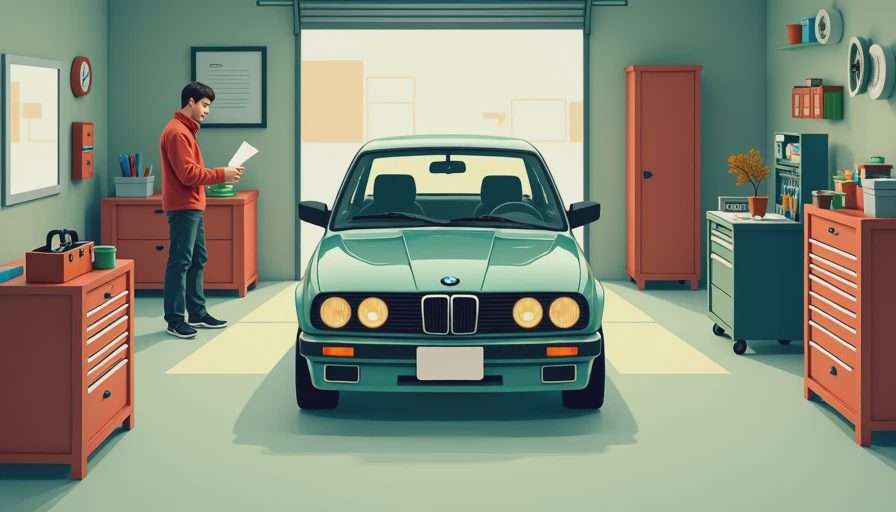
Inspection points that decide the project
Start underneath. Rust around the rear subframe mounts, rocker panels, floor sections, jack points, and windshield corners can turn a simple refresh into structural fabrication. Surface corrosion is manageable; layered rust around suspension mounting points is where the project budget gets hurt. Bring a flashlight, a trim tool, a magnet, and clothes you do not mind getting dirty. Lift the carpets and inspect the spare-tire well for water intrusion.
On a BMW E30 automatic, the transmission inspection should happen with the car fully warm. Check the fluid color and smell, look for leaks around the pan and cooler lines, and drive long enough to evaluate every shift. Select reverse, drive, and manual low ranges several times. A transmission that works cold but slips after 20 minutes deserves a lower offer or a repair plan. Confirm that the kickdown linkage moves correctly and that the shifter detent feels deliberate rather than vague.
The engine bay tells its own story. Look for a cracked radiator, brittle expansion tank, oil seepage at the valve cover, and signs of overheating. M20 six-cylinder cars have timing belts, so service documentation matters. If the belt history is unknown, treat replacement as immediate maintenance. An M40 or M42 four-cylinder car can still be fun, but parts availability and swap plans should influence the purchase decision.
Automatic transmission options for a long build
Keeping the original automatic is not automatically the wrong answer. Rebuild it, fit a quality cooler, refresh the selector bushings, and make sure the cooling system is dependable. For a comfortable street car, that approach preserves the character of the BMW E30 automatic and avoids the wiring, pedal-box, driveshaft, and clutch-hydraulic work required by a manual conversion.
A manual swap is popular because the parts ecosystem is well understood. You will typically need the transmission, flywheel, clutch, pedal assembly, clutch hydraulics, driveshaft changes, crossmember considerations, wiring changes, and interior trim. Used parts can make the conversion affordable, but incomplete kits create months of searching. Price every component before removing the automatic. A conversion that looks like a $2,500 weekend job can become a $5,000 project once worn used parts need replacement.
Engine swaps raise a separate set of decisions. An M50 or M52 can deliver modern power, but cooling, exhaust clearance, electronics, brakes, differential gearing, and emissions requirements all deserve attention. Keep a build notebook with part numbers, wiring diagrams, fluid specifications, and measured results. That record will save time when the car sits for a winter and you forget which connector caused the 2 a.m. problem.

Suspension, brakes, and street reliability
Do not chase horsepower before restoring control. A BMW E30 automatic with fresh control-arm bushings, tie rods, wheel bearings, shocks, and proper alignment can feel dramatically better without an engine swap. Common choices include Bilstein B4 or B6 dampers, H&R springs, Eibach springs, and refreshed OEM-style rubber. Match spring rates to the actual use. A stiff setup that looks good in a photo can be tiring and unpredictable on rough public roads.
Brakes deserve the same attention. Replace cracked hoses, inspect hard lines, measure rotor thickness, and confirm that calipers release correctly. If you add engine power, plan the brake upgrade as a system rather than installing one large component and hoping it balances. Good tires often produce a bigger safety improvement than another 20 horsepower. Keep the spare, jack, and lug hardware usable if the car will travel beyond local meets.
Electrical faults are common project delays. Clean grounds, test charging voltage, inspect the fuse box, and repair corroded connectors instead of stacking temporary jumpers. Add changes to a wiring diagram as you go. Label aftermarket relays and document alarm removal, stereo wiring, and fuel-pump modifications. Future-you, or the next owner, should be able to understand the car without reverse-engineering every harness.
Insuring a finished or unfinished project
Insurance needs to match the car's real use. Standard auto coverage generally handles liability and, when selected, collision and comprehensive losses, but an ordinary policy may not recognize the money invested in a heavily modified vehicle. Ask about agreed-value or stated-value options designed for collector and specialty cars. Requirements often include limited mileage, secure storage, photographs, and restrictions on daily commuting.
For a BMW E30 automatic used as a regular driver, a normal policy with collision and comprehensive coverage may be the practical route. Choose deductibles you can actually pay, and keep receipts for major work. For a garage-kept project that only attends occasional events, a specialty policy could better reflect its condition and parts investment. Coverage details vary by insurer, so describe the engine, wheels, suspension, transmission, and intended use accurately.
Before requesting quotes, photograph all four sides, the engine bay, interior, underside, VIN plate, and expensive components. Save invoices in a cloud folder and record the car's mileage. Companies such as Hagerty, Grundy, American Modern, and major standard carriers serve different specialty and daily-use situations; compare eligibility, mileage limits, storage rules, and claim valuation rather than choosing only by the lowest premium.
A sensible build order
Buy the best shell you can find, then establish a baseline with compression testing, fluid changes, cooling-system service, brake inspection, and a complete suspension check. Fix leaks and safety problems before cosmetic work. Drive the car long enough to learn what it actually needs. Only then choose between preserving the automatic, rebuilding it, or starting a manual conversion.
Post every stage in a permanent build journal: purchase photos, inspection findings, measurements, part numbers, failed attempts, and final settings. That record turns scattered garage work into useful technical history. A BMW E30 automatic does not need to become a replica race car to be worthwhile. A reliable, documented car with a clear purpose is already a serious build. Post your build. We'll read the whole thing.

No comments yet.