A 1990 bmw 325i is not a disposable weekend toy. It is an E30 with enough age, wiring, rubber, and previous-owner decisions to turn a simple refresh into a proper garage project. That is also the appeal. The proportions are right, the controls are direct, and the M20 six-cylinder gives you something mechanical to understand instead of another sealed black box. Buy the shell carefully, document every step, and the car can become a rewarding street build without losing what made it good.
Start with the shell, not the engine
Before discussing headers, coilovers, or a larger throttle body, inspect the body. Rust repair can consume more money than an engine rebuild, especially around the rocker panels, floor pans, rear subframe mounting areas, battery tray, spare-tire well, and windshield corners. Bring a bright light, a trim tool, a magnet, and a jack stand rated for the car. Look for fresh undercoating hiding seams, uneven gaps, bubbling paint, and water trapped beneath carpet.
A straight, complete 1990 bmw 325i with tired mechanicals is usually a better starting point than a shiny car with questionable structural repairs. Check the VIN against the title and service records. Confirm that the dashboard, seats, door cards, bumpers, lights, and factory trim are present. Missing interior pieces are not always impossible to replace, but rare E30 parts can turn a $200 purchase into a six-month search.
Put the car on stands and inspect the front control arms, steering rack boots, driveshaft guibo, center support bearing, differential seals, and rear trailing arm bushings. If the seller will not allow a cold start or lift inspection, price the car as a non-runner or walk away. Compression testing is useful, but oil leaks and cooling-system neglect often tell the larger story.
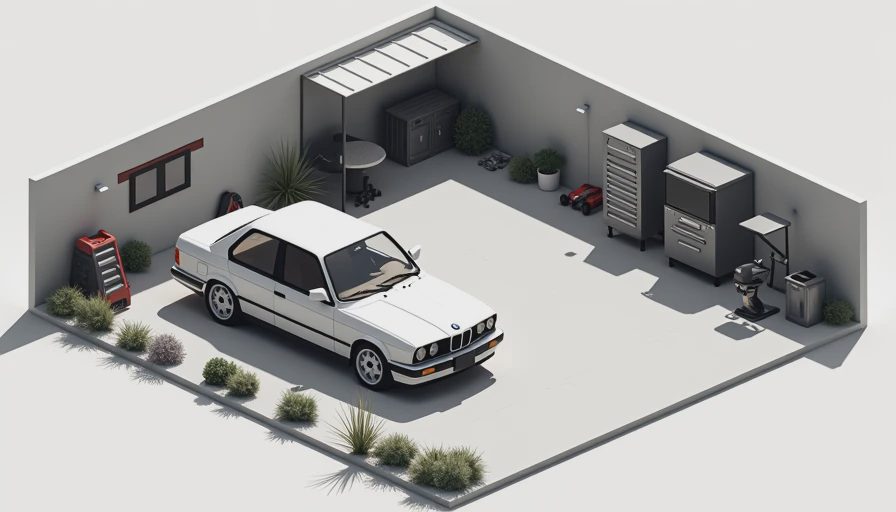
Make the M20 reliable before making it faster
The 2.5-liter M20B25 is durable when its maintenance is current, but the timing belt is the first deadline. Replace the belt, tensioner, water pump, thermostat, and coolant hoses if their age is unknown. A broken belt can bend valves, turning a manageable service into a cylinder-head project. Use the correct locking and timing procedure, then rotate the engine by hand before starting it.
Cooling components deserve the same attention. Inspect the radiator, expansion tank, fan clutch, auxiliary fan, and temperature switch. A temperature needle that moves beyond its normal position is not a personality trait. It is a warning. Clean the grounds, renew brittle vacuum hoses, and test the fuel pump relay rather than randomly replacing sensors.
On a 1990 bmw 325i, an idle problem can come from vacuum leaks, a tired idle-control valve, a failed coolant-temperature sensor, dirty injectors, or a cracked intake boot. Smoke testing the intake is faster than buying five parts and hoping. Record cold-start behavior, warm idle speed, charging voltage, and coolant temperature in your build log. A cheap digital multimeter and a fuel-pressure gauge will answer more questions than a shelf full of guesses.
Leave the original engine internally stock until the baseline is proven. A clean-running M20 with good compression, correct ignition timing, and a sealed intake is more useful than a camshaft installed on top of unresolved overheating.
Suspension, brakes, and wheels
The best 1990 bmw 325i street builds do not begin with the stiffest suspension available. They begin with fresh bushings, sound mounts, and predictable alignment. Replace cracked front control-arm bushings, worn ball joints, rear trailing-arm bushings, and leaking shocks. Decide whether the car is a comfortable commuter, a back-road car, or an occasional track tool before ordering parts.
For a street-focused build, quality sport springs with matched dampers can work well. Adjustable coilovers provide height and damping control, but cheap kits often create noise, poor travel, and a harsh ride. Spend money on tires before chasing another 10 millimeters of drop. A modern 15- or 16-inch wheel with a sensible tire can transform braking and turn-in without making the E30 look overbuilt.
Refresh the brake system with new rubber hoses, fresh fluid, properly sliding calipers, and rotors that are within specification. A brake pedal that feels firm in the driveway can still reveal a sticking caliper after a road test. Bleed the system methodically and check for leaks at every connection. If the car will see track use, plan heat management and pad selection separately from normal street driving.
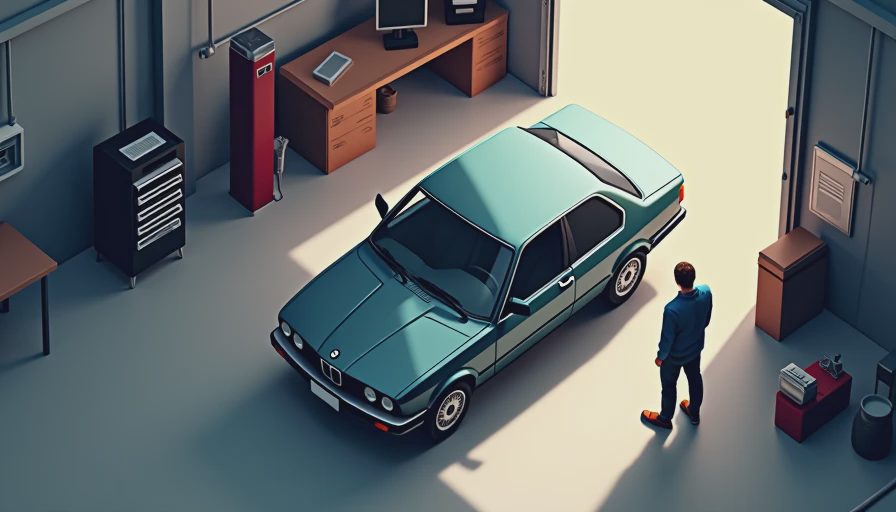
Transmission, differential, and driveline checks
Manual cars are desirable, but a tired gearbox is not automatically a reason to reject a solid chassis. During the test drive, note clutch engagement, synchro behavior, shifter looseness, and any vibration under acceleration. A worn guibo or center support bearing can produce a thump that feels like a differential failure. Inspect before ordering an expensive replacement.
Change the gearbox and differential fluids with products that match the component requirements. Check axle boots, differential mounts, and rear wheel bearings while the car is raised. A limited-slip differential can be valuable for a balanced project, but it should not hide a neglected driveline. Photograph casting numbers and record fluid quantities in the build journal so the next service is based on evidence.
Budget the project in stages
A sensible first stage for a 1990 bmw 325i is inspection, rust control, timing-belt service, cooling-system work, brakes, tires, and basic suspension. Depending on how much labor you perform yourself, parts can easily land between $2,000 and $5,000. A neglected example can exceed that before cosmetic work begins. Reserve another 20 percent for seized fasteners, broken plastic fittings, shipping, and the part you discover after everything is apart.
Stage two can cover paint correction, upholstery, wheels, exhaust work, and carefully chosen handling upgrades. Keep an emergency fund separate from the parts budget. Do not spend $1,500 on wheels while the fuel lines are cracked or the rear subframe mounts are questionable. The car does not care how good it looks in the driveway if it cannot complete a reliable road test.
If the vehicle is stored during a long build, ask your insurer about coverage for a project car, storage status, comprehensive protection, and agreed-value options. Standard liability coverage protects you from claims you cause, while comprehensive coverage generally addresses non-collision losses such as theft, fire, or weather. Coverage terms differ, so get the policy details in writing before the car sits under a cover for six months.
Document the work like a technical library
Every project benefits from a repeatable record. Photograph parts before removal, label connectors, bag fasteners by assembly, and write down torque values from a trusted factory manual or service reference. Record the date, mileage, brand, part number, symptoms, test result, and next step. “Runs rough” is not useful. “Cold idle hunts from 700 to 1,200 rpm, smoke test shows leak at intake boot” is useful.
For a 1990 bmw 325i, create separate sections for body, engine, fuel, cooling, electrical, suspension, brakes, driveline, and interior. Upload wiring photos at full resolution and note any non-factory alarm, stereo, splice, or grounding change. Future troubleshooting becomes dramatically easier when you can see what changed.
The best build is not necessarily the loudest or most expensive. It is the one that starts cleanly, stops straight, handles consistently, and has a clear record behind it. A 1990 bmw 325i rewards patient work because every repaired system makes the next drive better. Post your build. We will read the whole thing.


No comments yet.