The Toyota Celica 1989 GT sits in a useful spot for a long-term project: old enough to have real analog character, but modern enough to use fuel injection, front-wheel drive, and widely understood Toyota hardware. The fifth-generation Celica is not a shortcut to a fast car. It is a solid foundation for someone who enjoys repairing, measuring, documenting, and improving one system at a time.
Before buying, decide whether the goal is a clean street car, an autocross build, or a period-correct restoration. Those paths share the same inspection process, but they do not justify the same purchase price. A running example with tired paint and a complete interior can be worth saving. A cheap shell with missing trim can consume more money than a better car bought at the start.
What makes the 1989 GT worth building
The Toyota Celica 1989 GT was positioned above the base ST and generally came with a more useful equipment package, including the stronger 2.2-liter 5S-FE four-cylinder in North American-market cars. Output was modest by current standards, but the engine delivers a broad torque curve and responds well to careful maintenance. The platform also has a large knowledge base because Toyota used related engines and driveline components across several models.
The fifth-generation chassis has straightforward mechanical access compared with many newer cars. You can reach the distributor, accessory belts, radiator, suspension hardware, and most vacuum lines without removing half the front clip. That matters when the project includes repeated test-and-repair cycles. A factory service manual, compression gauge, multimeter, timing light, and a basic scan tool should be on the bench before serious troubleshooting begins.
The GT is also usable. It has enough cabin space for tools and parts, a practical hatch area, and predictable front-wheel-drive behavior. It will not deliver rear-drive balance, but a properly aligned Celica can be enjoyable on a back road without turning every commute into a wrestling match.
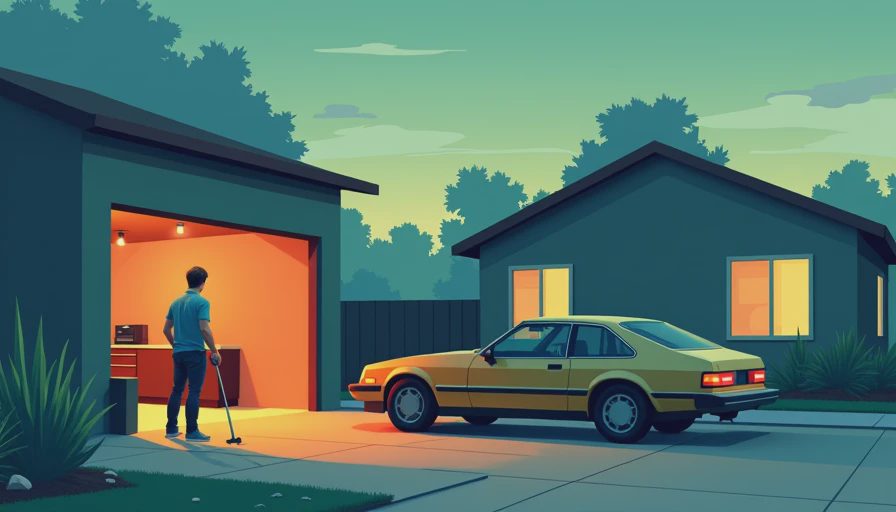
Inspection points before money changes hands
Rust is the first filter. Check the front subframe mounting areas, rocker panels, rear wheel arches, hatch opening, floor seams, and strut tower sections. Surface scale is repairable; layered corrosion around suspension pickup points is a fabrication project. Lift the carpet and inspect for damp insulation, especially around the hatch seal and windshield corners.
Next, inspect the 5S-FE cold. A seller who warms the car before you arrive may simply be trying to hide a rough start. Listen for an extended crank, unstable idle, belt noise, exhaust smoke, and coolant bubbling. Look for oil around the distributor seal, valve cover, timing-cover area, and oil pan. A compression test with reasonably even readings is more useful than a clean engine bay.
The manual transmission should select every gear during a cold and hot drive. Pay attention to second-gear synchro resistance, clutch engagement height, axle vibration, and wheel-bearing hum. Automatic cars can still make good street projects, but a transmission swap adds wiring, pedals, hydraulics, axles, and fabrication details. Do not treat it as a weekend bolt-on unless the complete donor package is already documented.
Inspect the electrical equipment one circuit at a time. Confirm that the pop-up headlights operate evenly, the instrument illumination works, the rear hatch wiring is intact, and the blower motor runs at each speed. Replacement switches and trim pieces can cost more time to locate than engine parts.
A sensible first-stage refresh
The best first stage for a Toyota Celica 1989 GT is not a large turbo kit or aggressive coilover package. Start with reliability. Replace fluids, filters, spark plugs, plug wires if needed, belts, aging coolant hoses, and the timing belt components according to the engine’s condition and service history. Change the brake fluid and inspect flexible brake hoses before increasing pace.
Use a cooling-system pressure test to find small leaks before they become overheating events. Replace brittle vacuum lines with correctly sized hose, not random fuel line. Clean the throttle body and verify that the idle-control system is operating rather than masking a vacuum leak with an incorrect adjustment.
For a car that will see regular road use, quality struts, fresh top mounts, new control-arm bushings, and a proper four-wheel alignment produce a larger improvement than cheap lowering springs. Keep ride height moderate. Excessive drop can reduce bump travel, increase axle angles, and create tire interference without making the chassis faster.
A basic brake refresh can include new rotors, reputable pads, rebuilt or replacement calipers, and fresh hardware. Do not spend on oversized brakes until the tire, suspension, and driving goals require them. The factory system in good condition is a sensible starting point for a naturally aspirated street build.

Choosing a direction for the build
A clean street build should prioritize quiet bearings, working climate controls, dependable starting, and tires with predictable wet grip. Fifteen-inch wheels with a sensible width usually preserve steering feel and reduce the temptation to chase appearance at the expense of ride quality. Keep the original wheels and trim if they are usable; genuine parts are difficult to replace after they are sold.
An autocross-oriented Toyota Celica 1989 GT needs sharper response, not just lower ride height. Begin with fresh bushings, adjustable alignment where appropriate, a limited-slip solution that fits the chosen transmission, and tires matched to the class rules. Record tire pressures, alignment settings, ambient temperature, and lap or run conditions. Without those notes, every change becomes a guess.
A turbo conversion is a different level of project. The 5S-FE was not designed as a simple high-boost experiment, and engine management, fuel delivery, charge cooling, exhaust flow, clutch capacity, and engine internals all become connected decisions. A conservative, professionally tuned setup can be rewarding, but the budget can move from a few thousand dollars for maintenance to well over $8,000 when fabrication and tuning are included.
Budgeting parts, labor, and time
Prices vary with rust, completeness, and location, but the project usually falls into recognizable stages. A running driver needing brakes, fluids, tires, and hoses can require $1,500 to $3,500 before cosmetic work. Suspension renewal can add $1,000 to $2,500 in parts, depending on brand and how many bushings are replaced. Paint, upholstery, weather seals, and missing trim can exceed the mechanical budget quickly.
Buy parts by system instead of ordering randomly. Make one spreadsheet for engine, cooling, fuel, brakes, suspension, electrical, body, and interior. Record supplier, part number, price, delivery date, and whether the part is installed. Photograph connector locations before disassembly and label every vacuum hose. This sounds slow until the car has been apart for six months.
When comparing a Toyota Celica 1989 GT, value completeness over shiny paint. A cracked dashboard and faded bumper can be lived with while mechanical work continues. Missing interior panels, rare exterior molding, and damaged wiring create delays that are harder to solve in a home garage.
The garage-standard checklist
Before committing, inspect the shell on a lift, verify the title and identification numbers, test every electrical circuit, perform a compression test, and drive the car long enough to reach operating temperature. Check for charging voltage, brake pull, steering play, coolant loss, and transmission noise. Ask for receipts, but trust condition and measurements more than a folder of vague claims.
Then write a build target in one sentence: reliable weekend street car, legal autocross car, or period restoration. Set a first-year ceiling and keep a reserve for broken fasteners, shipping, machine work, and tools. The Toyota Celica 1989 GT rewards disciplined progress. Fix one system, test it, record the result, and only then move to the next change.
That is how a tired hatch becomes a coherent build instead of a pile of unopened boxes. Post your build. We'll read the whole thing.
No comments yet.