A BMW cabriolet 325i is the kind of project that rewards patience. Find the right one and you get a balanced inline-six, rear-wheel drive, a manual gearbox option, and an open-air chassis with enough mechanical simplicity to invite serious garage time. Find the wrong one and you inherit rust, water leaks, tired suspension, and a roof mechanism that can consume an entire Saturday before the first test drive.
The badge covers more than one generation, so buying by name alone is a mistake. The E30 325i convertible is the square-edged classic most people picture, while the E36 325i convertible brings more space, refinement, and a different set of electrical and cooling concerns. Treat the car as a documented machine, not a cheap old BMW, and the project becomes much easier to control.
Identify the car before you price the project
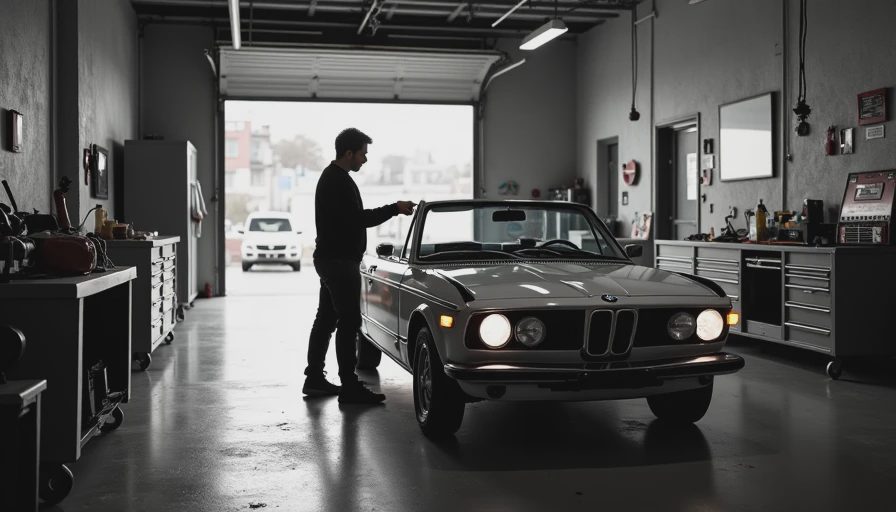
Start with the VIN, title, production date, and service records. A BMW cabriolet 325i advertised as an E30 may have been stored outdoors for years, while a clean E36 can be the better starting point even if it receives less attention online. Confirm the engine, transmission, convertible top type, and equipment against the VIN rather than trusting a seller's listing.
Inspect the body in daylight. Look closely at the rocker panels, jacking points, floor edges, rear wheel arches, trunk floor, windshield frame, and the seams around the top compartment. Surface bubbling can be cosmetic, but rust at structural mounting points changes the economics immediately. A $6,000 car can become a $12,000 car after welding, paint, seals, and interior work.
Bring a paint meter if you have one, and check panel gaps with the top both raised and lowered. Uneven gaps can point to collision repairs or a tired chassis. Open the trunk and lift the carpet. Dampness, mineral marks, or a musty smell are evidence, not personality.
The inspection order that saves money
With a BMW cabriolet 325i, the cooling system deserves attention before performance parts. Check the radiator, expansion tank, water pump, thermostat housing, belts, hoses, and fan operation. Plastic cooling components age poorly, and an overheating event can turn a manageable refresh into cylinder-head work. Ask when these parts were replaced and look for receipts with dates and mileage.
Next, inspect oil leaks around the valve cover, front timing area, oil filter housing, and power-steering lines. A small seep is normal on an older BMW; oil running onto the exhaust or pooling on the subframe requires a budget, not a shrug. Listen for startup rattle, uneven idle, chain noise, and driveline clunks during a cold test drive.
The suspension tells you how the car was used. Check control-arm bushings, ball joints, tie rods, shocks, rear trailing-arm bushings, and differential mounts. A car that wanders under braking needs more than an alignment. Budget roughly $800 to $2,000 for a sensible suspension refresh using quality components from Lemforder, Sachs, Bilstein, or similar suppliers, depending on labor and scope.
Convertible-top work is its own build
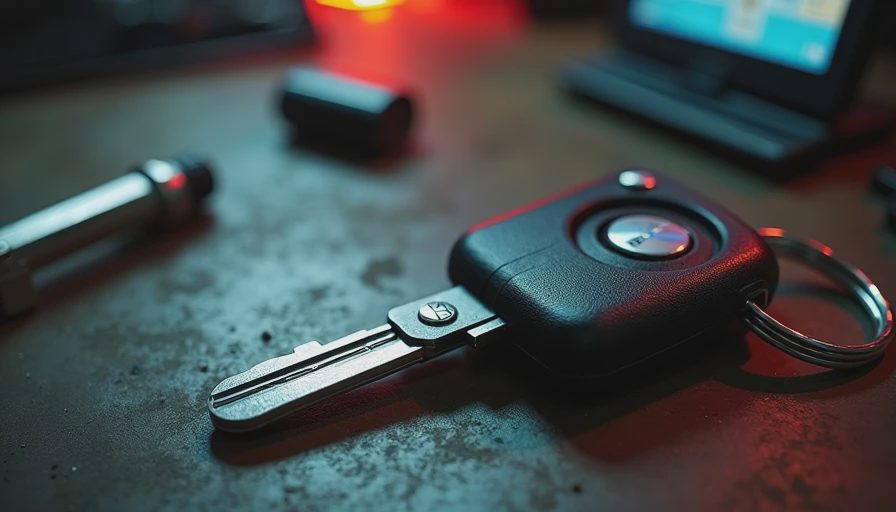
A BMW cabriolet 325i has two cars worth of weather sealing: the roof itself and the body openings around it. Raise and lower the top slowly while watching for binding, crooked movement, hydraulic leaks, or a motor that strains. Never force a stuck mechanism until you understand whether the problem is a latch, cable, frame joint, pump, or switch.
Inspect the fabric for worn folds, pinholes, and sun damage. Examine the rear window for clouding or separation. A replacement top can cost about $1,000 to $2,500 in materials, with professional installation adding substantially more. If the fabric is sound but the seals leak, a careful adjustment and targeted seal replacement can be a much smarter first move.
Pour a small amount of water over each corner instead of using a pressure washer. Then remove interior trim where practical and check the carpet, rear footwells, seat mounts, and electronics. Moisture creates slow failures in window switches, speakers, comfort modules, and wiring connectors. Drying the cabin completely is part of the repair, not a cosmetic extra.
Choose a build direction before ordering parts
The best BMW cabriolet 325i builds usually begin with reliability and chassis control. Refresh the cooling system, brakes, bushings, wheel bearings, and fluids before chasing horsepower. A well-maintained M20 or M50-powered car with strong compression and predictable suspension is more enjoyable than a modified car that overheats in traffic.
For an OEM-plus street build, use factory-style wheels, fresh rubber, modest lowering springs, quality dampers, and upgraded brake lines from a reputable manufacturer. Keep the ride height practical; the front lip and rocker panels already sit close to the ground. A clean alignment with sensible front camber will do more for road feel than an aggressive stance.
For a track-oriented project, document every change. Record tire pressures, alignment settings, brake pad compound, fluid type, and ambient temperature. Brands such as Hawk, Ferodo, Koni, Bilstein, and Ground Control offer established options, but the correct choice depends on the car's weight, tire, and use. Do not install stiff springs before confirming that the top mounts, subframes, and chassis reinforcement are healthy.
Budgeting, parts, and insurance
A BMW cabriolet 325i purchase price is only the entry ticket. Reserve at least $2,000 to $4,000 for baseline maintenance on a running example, and more if the records are thin. Add a separate contingency for rust, upholstery, top repairs, and electrical diagnosis. Used original parts can save money, but safety items such as tires, brake hoses, and belts deserve new replacements.
For insurance, tell the carrier how the car is used and whether it has declared modifications. Liability coverage pays for damage or injuries you cause to others, while collision coverage applies to damage from a crash and comprehensive coverage generally addresses risks such as theft, fire, vandalism, or weather. A declared-value or agreed-value policy can be relevant for a carefully restored collector car, but eligibility and claims terms differ.
Keep receipts, photographs, appraisal documents, and a parts spreadsheet. A standard policy may not automatically reimburse the full cost of expensive wheels, suspension parts, or engine work after a total loss. Get written confirmation before assuming upgraded equipment is covered. Hagerty and Grundy are examples of specialty insurers known for collector-focused products, while mainstream carriers may be convenient for ordinary daily-use coverage.
A sensible first-90-days plan
During the first week, verify the title, VIN, service history, fluid condition, tire dates, brake thickness, and cooling-system behavior. Do not spend that week installing an intake. Photograph every defect before disassembly and create a parts list divided into safety, reliability, comfort, and performance.
During the first month, repair leaks, replace unsafe tires, service the brakes, refresh fluids, and diagnose the top. Then align the car and drive it long enough to expose remaining issues. A baseline road log should include cold-start behavior, operating temperature, idle quality, steering feel, braking distance, roof operation, and any warning lights.
By day 90, you should know whether the chassis deserves deeper investment. If the body is solid, the engine is healthy, and the top can be made reliable, continue with the build in measured stages. If rust reaches structural areas or the electrical system has been repeatedly hacked, sell it as a project and redirect the budget to a better shell.
The appeal of a BMW cabriolet 325i is not just the badge or the sound of the six-cylinder engine. It is the combination of mechanical access, usable rear-wheel-drive balance, and a body style that makes every successful repair visible on the next drive. Document the failures, record the fixes, and resist the urge to skip the boring work. Post your build. We'll read the whole thing.
No comments yet.