Toyota Solara mods work best when they support the car you actually own. A first-generation coupe with the 1MZ-FE V6 needs a different plan than a later 2AZ-FE four-cylinder convertible, and neither benefits from ordering random parts because they look good in a catalog. The Solara is an underrated platform: comfortable, inexpensive to maintain, and old enough that a careful build can still feel personal instead of generic.
Before buying anything, record the year, engine, transmission, body style, mileage, and current suspension condition. Look for oil leaks, torn control-arm bushings, worn ball joints, tired struts, and rust around brake or fuel-line areas. A $30 inspection light and a weekend on jack stands can save hundreds in parts that would otherwise be installed over damaged hardware. Build the foundation first, then chase power.
Start With a Clear Solara Build Goal
The strongest Toyota Solara mods begin with a use case. A commuter that sees rain and potholes should not be set up like a show car that travels ten miles to events. For a reliable street build, prioritize fresh suspension, quality tires, brake maintenance, and a comfortable alignment. For a weekend canyon car, sharper damping and better thermal control become more important. A drag-oriented project has different needs again, including drivetrain health, cooling, and traction.
Write down three targets before spending money. You might choose a $1,500 refresh, a $4,000 handling build, or a longer-term engine project. That budget should include fluids, fasteners, replacement clips, alignment, and the inevitable part that breaks during disassembly. Set aside 15 to 20 percent for surprises. Old Toyota wiring connectors and rubber components rarely care about your shopping list.
A simple build log also pays off. Record tire pressures, alignment settings, part numbers, mileage, and before-and-after measurements. If the car feels worse after an installation, the notes help isolate the change instead of turning the garage into a guessing game.
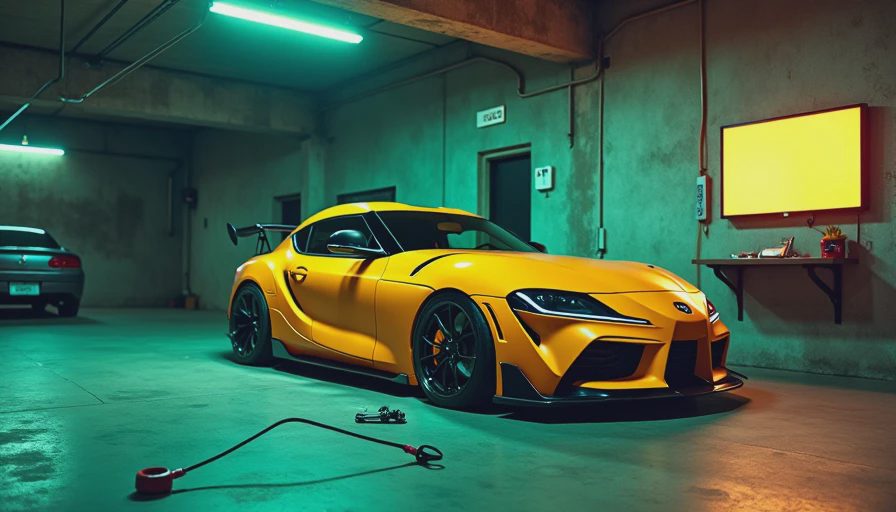
Suspension and Tires Come Before Power
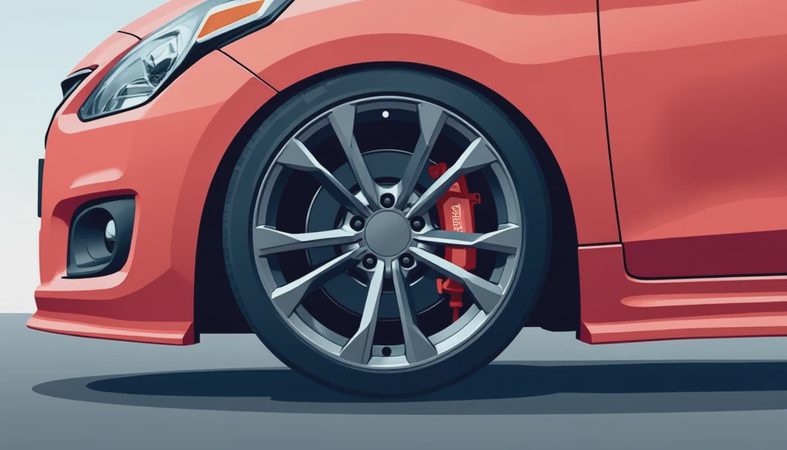
Among practical Toyota Solara mods, tires deliver the most obvious improvement. A reputable summer or all-season tire in the factory diameter can transform steering response without making the car miserable. Avoid choosing an oversized wheel solely for appearance. Heavy 18-inch wheels can blunt acceleration, increase impact harshness, and expose already tired suspension components.
Replace worn struts with a matched set rather than mixing one new corner with three exhausted units. KYB is a common replacement option for Toyota applications, while adjustable coilovers from brands such as BC Racing can provide more control when correctly installed and set up. The important detail is not the logo on the box; it is spring rate, usable adjustment range, ride height, and whether the damper is appropriate for the car's weight.
Fresh sway-bar end links, control-arm bushings, and properly torqued mounts often make a bigger difference than aggressive lowering springs. If you lower the car, check bump steer, fender clearance, exhaust clearance, and axle angles. Get a four-wheel alignment afterward. A modest setup with even toe and sensible camber will usually drive better than a slammed car with tires scrubbing through every turn.
Brakes, Cooling, and Maintenance Are Modifications Too
The most overlooked Toyota Solara mods are the ones that keep the car alive. Flush old brake fluid, inspect flexible brake hoses, and measure rotor thickness before installing performance pads. A street pad from Akebono or Hawk can be a sensible upgrade, but pad choice should match temperature range. Track-focused compounds can squeal, dust heavily, and work poorly when cold.
Cooling deserves attention on higher-mileage V6 cars. Replace cracked radiator hoses, inspect the radiator, and confirm that the fans cycle correctly. Use the correct Toyota-compatible coolant and bleed the system carefully. A temperature gauge that suddenly climbs during a summer drive is not a tuning opportunity; it is a reason to stop before a small problem becomes a head-gasket repair.
Service the transmission before adding power. Manual cars need the correct gear oil, while automatic cars benefit from documented fluid service and a healthy cooler circuit. Replace worn motor mounts only after checking whether a stiffer mount will introduce vibration into a daily driver. Reliability is not a boring phase of the build. It is what lets you enjoy the expensive phase later.

Choosing Engine and Exhaust Upgrades
Toyota Solara mods for power require realistic expectations. A clean intake, properly sealed airbox, and smooth exhaust can improve response and sound, but a short-ram intake alone will not turn a stock engine into a race motor. Keep the intake away from engine-bay heat and make sure the mass-airflow sensor remains correctly positioned if the system uses one.
On the 1MZ-FE and 3MZ-FE V6 engines, maintenance items such as timing-belt service, spark plugs, vacuum hoses, and oxygen sensors deserve priority. A healthy stock engine is a better starting point than a neglected car wearing a loud exhaust. On the 2AZ-FE four-cylinder, check oil consumption history and inspect the PCV system before planning more ambitious work.
A cat-back exhaust can add character without creating an unbearable highway drone. Choose piping diameter conservatively and retain proper emissions equipment. Removing catalytic converters is illegal for road use in many situations and can create inspection problems, check-engine lights, and poor drivability. If you tune, use a reputable calibration process with logged air-fuel ratio, ignition behavior, and coolant temperature rather than relying on a generic file.
Interior, Chassis, and Stance Details
Not every worthwhile Solara project needs more horsepower. Repair sagging seat bolsters, replace broken trim clips, and install a modern head unit with hands-free calling. Those changes improve every drive. A clean steering wheel, fresh floor mats, and working climate controls can make a 20-year-old car feel cared for without pretending it is new.
Chassis Toyota Solara mods should preserve structural integrity. Inspect jacking points and subframes before adding braces. A reputable strut-tower brace can reduce some flex, but it cannot compensate for worn bushings or poor alignment. If you add wheels, confirm offset, center bore, lug-seat type, and brake clearance. Use a torque wrench on the lug nuts and recheck them after the first drive.
For stance, aim for usable clearance. Leave room for suspension compression, steering lock, and passengers. A fender gap that looks perfect in a parking lot is not worth scraping the bumper on every driveway. Photograph the ride height and measure hub center to fender before and after changes so you can return to a known setup.
A Sensible Build Order
A good Toyota Solara mods sequence starts with inspection and maintenance, followed by tires, brakes, and suspension. After the car drives straight and stops consistently, add alignment changes and document the result. Only then should you decide whether the engine needs intake, exhaust, or tuning work.
For a first pass, a $1,000 to $2,000 budget can cover fluids, worn bushings, brake service, tires, and alignment if you do the labor yourself. A more complete handling build can reach $3,000 to $5,000 once struts, springs, wheels, and replacement hardware are included. Keep receipts and part numbers in the build journal. They help with future troubleshooting and prove what has been changed.
The best projects are not defined by a parts list. They are defined by repeatable results: measured ride height, even tire wear, stable coolant temperature, predictable braking, and a car that starts every morning. Post your build with the year, engine, goal, budget, and data. We'll read the whole thing.

No comments yet.