A BMW E30 LED headlight conversion can make a tired night-driving setup safer and easier to live with, but only if the retrofit preserves a useful beam pattern. The goal is not to drop the brightest bulb you can find into a 35-year-old housing. The goal is controlled light, reliable wiring, proper heat management, and an installation you can reverse without cutting up an otherwise solid car.
The E30 deserves that level of care. Whether you have a 1987 325i, a late 318is, or a six-cylinder sedan that has spent years in storage, the lighting system is part of the car's character and function. A clean upgrade should look intentional when the hood is open and should not annoy every driver coming toward you on a two-lane road.
Why consider an LED conversion on an E30?
The factory sealed-beam or H4-style arrangement can work well when the housings are clear, the grounds are clean, and the charging system is healthy. Many E30s no longer meet that description. Cloudy lenses, corroded bulb connectors, weak grounds, aging headlight switches, and voltage loss through the original harness can turn a decent design into a dim yellow wash.
An LED bulb typically draws less current than a halogen bulb and produces a whiter appearance. That lower load is useful on a car running auxiliary lights, an electric cooling fan, a modern stereo, or other additions. It does not automatically mean more usable road illumination. Optics matter more than the marketing number printed on the box.
For a street car, choose a bulb with a compact emitter positioned like the original filament. A large two-sided panel can create glare and a scattered foreground, especially in a reflector designed around a tiny halogen filament. Brands such as Philips, Sylvania, and Hella offer recognizable lighting products, while specialty retrofit companies often provide better E30-specific fitment information. Verify the exact bulb base before ordering; model year and market can change the hardware.
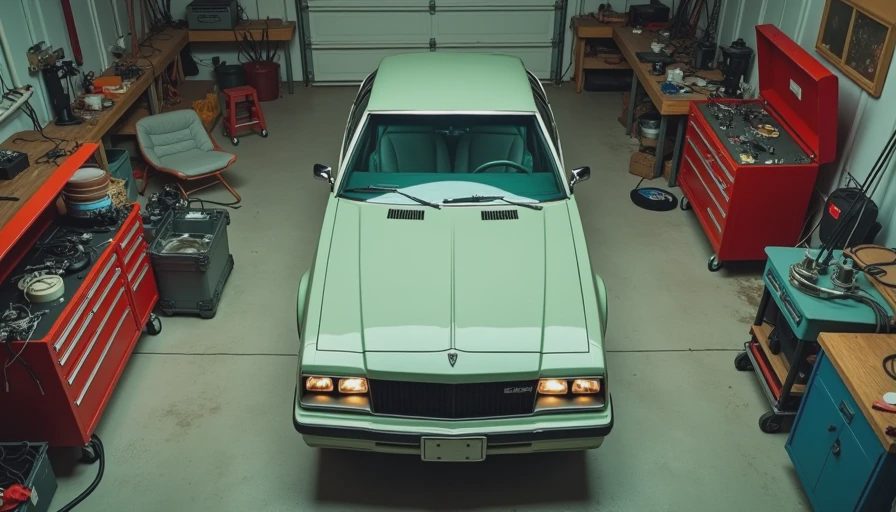
Parts and checks before you start
Before beginning a BMW E30 LED headlight conversion, photograph the existing wiring and confirm whether the car has sealed-beam units, H4 housings, or an aftermarket projector setup. The low and high beam circuits are not interchangeable, and a previous owner may have installed adapters that are not shown in a factory wiring diagram.
Inspect the headlight buckets for rust, cracked mounting rings, and damaged adjusters. Check the bulb sockets for heat discoloration. A socket that is brown, loose, or melted needs attention before a new LED bulb goes in. Measure voltage at the bulb with the engine running; a healthy charging system should deliver roughly alternator voltage, commonly around 13.5 to 14.5 volts. A low reading points to resistance, poor grounds, or a charging problem rather than a bulb problem.
Have a multimeter, contact cleaner, dielectric grease, small picks, insulated crimp tools, and spare fuses nearby. Do not rely on a twist-and-tape repair behind the grille. If the conversion requires an external driver box, secure it away from exhaust heat, moving belts, and standing water. Leave enough slack for service, but do not allow wiring to rub against the radiator support.
Choosing bulbs, housings, and beam control
The most important part of a BMW E30 LED headlight conversion is the housing. A quality H4 reflector with a defined cutoff can produce a useful low beam with the right LED bulb. A cheap reflector with a poorly located emitter can throw light everywhere and still feel weak from the driver's seat.
Look for a bulb with adjustable orientation, passive cooling if space permits, and a compact rear body that clears the dust cap. Fan-cooled bulbs can work, but their small fans add a failure point and can pull dust through a modified cap. Some E30 installations need a rubber cap with a pass-through seal; others have enough room for the driver module inside the bucket. Avoid sealing a hot driver against plastic without checking its temperature after a long run.
Color temperature deserves restraint. A bulb in the 5,000K to 6,000K range looks modern, but very blue light can reduce contrast in rain, fog, and road spray. Around 4,300K to 5,000K is usually easier on the eyes and still appears substantially whiter than an old halogen. Do not choose a bulb solely because its package claims extreme lumens. The road test matters more than the number.
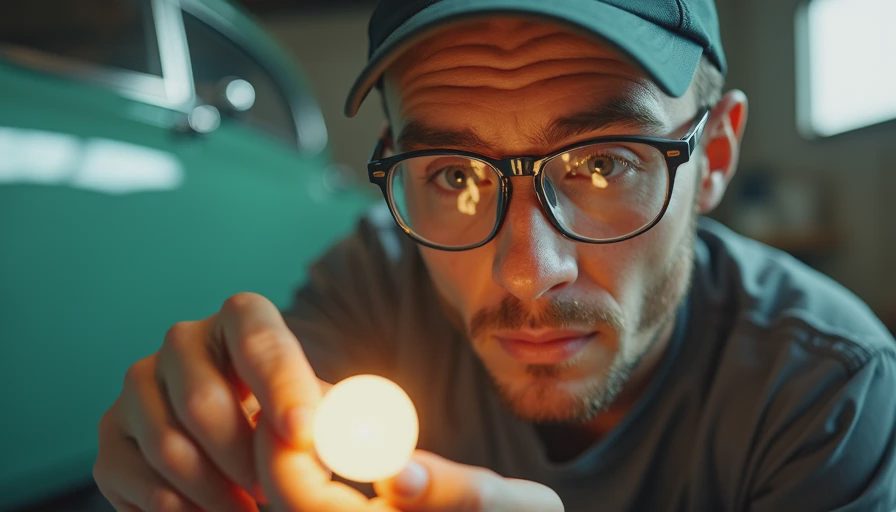
Installation procedure that avoids common E30 mistakes
Disconnect the negative battery cable, then remove the grille or trim needed to reach the headlight retaining rings. Keep screws in labeled containers because E30 hardware often looks similar but is not identical. Mark the original bulb orientation before removal and clean the inside of the housing only with a method approved for its material; aggressive solvents can damage reflective coatings.
Install the LED without touching the emitter or lens with bare fingers. Seat the locking collar first if the design uses one, then rotate the bulb until the emitters sit in the correct left-right orientation. On many reflector systems, the light-producing surfaces should mimic the original filament position rather than point randomly at the top and bottom of the housing.
Route the connector so it cannot touch the bulb's heat sink, fan, or sharp sheet metal. Restore the dust cap as completely as possible. A missing cap lets moisture and grit into the housing, turning an electrical upgrade into a corrosion project. Reconnect the battery and test low beam, high beam, flash-to-pass, parking lights, and turn signals before reinstalling the grille.
Aim the lights and check the road result
Park on level pavement facing a flat wall or garage door. Check tire pressures and place the car at the normal ride height with the usual fuel load. Mark the headlight centerlines and the low-beam cutoff, then adjust one lamp at a time. The low beam should be even, controlled, and slightly lower on the passenger side where local aiming rules call for it. If there is a sharp hotspot above the intended cutoff, stop and correct the bulb orientation or replace the housing.
Take a night drive on a quiet road after the basic wall adjustment. Test an unlit stretch, oncoming traffic, wet pavement, and high beam operation. Ask whether road signs are readable without lighting up tree branches and every windshield ahead. That simple observation is more valuable than a screenshot of a claimed lumen rating.
A BMW E30 LED headlight conversion is successful when it improves visibility without creating glare, flicker, radio noise, or unreliable wiring. If the beam is poor, return to the housing and alignment instead of chasing a higher-output bulb.
Electrical reliability and legal details
LED drivers can expose weak grounds and marginal switches because the new system changes current draw and electrical behavior. Clean the chassis grounds, inspect the fuse box, and use relays only when the circuit design and fuse protection are understood. A relay harness can reduce voltage drop, but an oversized unfused wire is not an upgrade. Protect every added circuit with the correct fuse close to its power source.
Headlight rules vary by state and by the approval status of the bulb and housing. Some replacement LEDs are not approved for every original halogen application, even when they physically fit. Check the product documentation and local requirements, then confirm the beam pattern after installation. Keep the original bulbs in the trunk for a long trip or inspection.
Document the bulb brand, part number, housing type, voltage reading, and final adjustment. That note will save time when a bulb eventually fails or when the car changes hands. Post your build. We'll read the whole thing.


No comments yet.