Ireland engineering is a useful starting point for anyone planning a serious custom-car project, whether the work happens in a home garage in Cork, Galway, Dublin, or somewhere else. The phrase can describe more than a company or service. It also points to a way of approaching fabrication, suspension, braking, electrical work, and road compliance as one connected system. A good build is not just a collection of expensive parts. It is a design with measurements, repeatable decisions, and a paper trail you can still understand two years later.
Start with a build brief, not a parts list
Before ordering coilovers or cutting a floorpan, write down what the car needs to do. A weekend road car, a track-day BMW E36, and a turbocharged classic Mini will need completely different compromises. Record the base model, engine, transmission, target weight, wheel and tire size, intended power, road use, and budget. Ireland engineering becomes far more useful when the engineer or fabricator can review a defined target instead of guessing at your intentions.
Set a realistic sequence. Chassis condition comes before power. Brake capacity comes before dyno numbers. Cooling and fuel delivery deserve attention before the first hard pull. A simple spreadsheet can track part numbers, supplier, purchase price, installation date, and any changes made after testing. Keep photographs of every bracket, weld, hose route, and connector before the car is covered in paint or heat shielding. That record will save hours when a fault appears later.
A strong brief also exposes conflicts early. Large brakes can limit wheel choice. A low ride height can reduce bump travel. An aggressive camber setting can damage tire life and make a road car unpleasant. Solve those conflicts on paper before they become expensive rework.

Fabrication details that separate a build from a collection of parts
Fabrication should begin with load paths. If you are adding a roll bar, seat mount, engine brace, suspension reinforcement, or tow point, identify where the force enters and where it leaves the structure. A thicker plate is not automatically safer. A poorly supported thick bracket can still crack beside the weld, while a properly gusseted lighter design may distribute load more effectively.
Use clean, accessible welds and plan for inspection. Remove paint, underseal, and rust from the joint area. Avoid trapping moisture between overlapping panels. Where a reinforcement meets thin original sheet metal, spread the load with a larger plate rather than concentrating it at one small edge. After welding, inspect for undercut, porosity, incomplete fusion, and distortion. A weld that looks tidy can still be structurally poor, so skill and process matter more than appearance.
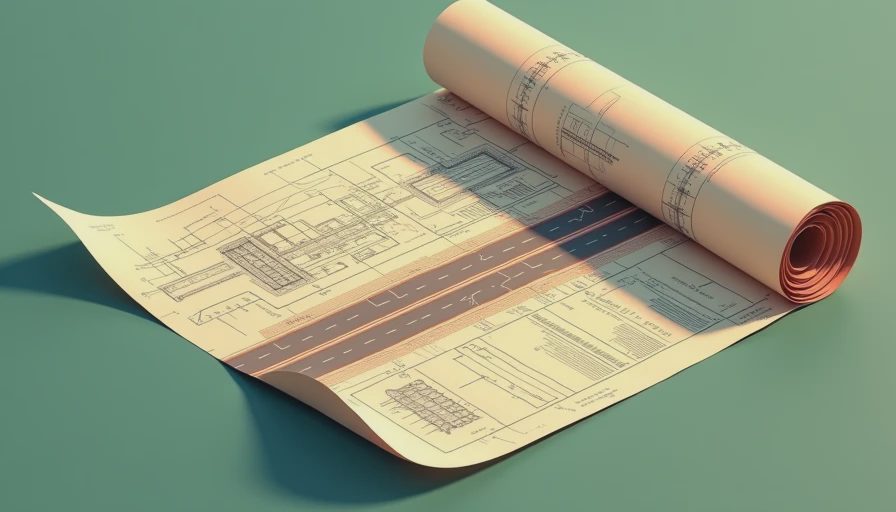
Ireland engineering projects often benefit from a simple fabrication drawing showing material thickness, hole centers, bend lines, weld locations, and fastener grade. Even a hand sketch with dimensions is better than relying on memory. For critical mounts, use locking nuts or suitable thread-locking methods, provide access for a wrench, and leave enough clearance for service work. If a component cannot be removed without dropping the engine, redesign it before final coating.
Suspension, steering, and brakes need to work together
The most common mistake in a modified car is treating suspension parts as independent upgrades. A coilover kit changes ride height, spring rate, damping, bump travel, and often alignment range at the same time. A larger anti-roll bar changes the balance between front and rear grip. Wider tires can add traction while also increasing steering effort and loading wheel bearings.
Measure before and after. Record hub-center-to-fender height, alignment settings, corner weights if available, and tire temperatures after testing. A road-focused car might need modest negative camber, controlled toe, and enough bump travel to handle rough pavement. A track car can accept more aggressive settings, but it still needs predictable braking and stable behavior over curbs. Do not copy a forum alignment number without including the tire, spring, damper, and actual use case.
For brakes, calculate the whole system rather than fitting the largest rotor that clears the wheel. Master-cylinder size, pedal ratio, pad compound, fluid temperature, caliper piston area, and front-to-rear balance all matter. Stainless lines and high-temperature fluid can improve consistency, but they cannot compensate for poor cooling or an incorrectly matched master cylinder.
Engine swaps and electrical work demand documentation
An engine conversion is rarely only an engine conversion. The fuel system, cooling, exhaust, driveshaft, gearbox mount, intake routing, alternator wiring, dashboard signals, and engine management all become part of the job. Ireland engineering planning is especially valuable here because a neat installation is easier to inspect and troubleshoot than a nest of undocumented changes.
Label both ends of every wire. Keep a wiring diagram that shows fuse sizes, relay control, grounds, connector numbers, and any factory circuits retained. Protect harnesses from exhaust heat and sharp edges with proper sleeving, grommets, and clamps. Do not use a larger fuse to stop a smaller fuse from blowing; find the fault instead. For fuel lines, use components rated for the fuel type and pressure, route them away from heat, and check for abrasion at every bracket.
Cooling deserves a test plan. Confirm fan operation, bleed the system correctly, watch coolant temperature during stationary warm-up and road load, and inspect for pressure leaks after the first drives. A single temperature reading is not a complete result. Log ambient conditions, speed, load, and whether the fan was running. That is how you distinguish a bad sensor from inadequate airflow.
Road legality and the inspection trail
A modified vehicle needs more than mechanical competence. Depending on the extent of the work and where the car is registered, you may need to address vehicle identification, emissions, lighting, noise, structural changes, insurance, taxation, or an inspection and approval process. Requirements can differ between the Republic of Ireland and Northern Ireland, so do not assume that paperwork for one jurisdiction applies to the other.
This is where Ireland engineering documentation earns its keep. Maintain receipts, component specifications, photographs before and after installation, alignment sheets, brake test results, and any correspondence with an inspection or registration authority. Keep the original vehicle identification details visible and untouched unless an authorized process says otherwise. If an engineer provides a report, ask what measurements, standards, and assumptions support the conclusions.
Speak with the relevant Irish authority and your insurer before major structural or powertrain work is finished. A policy must reflect material modifications, and some insurers will want photographs, valuation evidence, or an engineer’s report. Waiting until the car is complete can leave you with a finished vehicle that is difficult or expensive to insure.
A garage workflow that reduces rework
Treat each stage as a gate. First inspect and measure the shell. Then mock up the drivetrain, suspension, exhaust, and steering before final welding. After that, strip, reinforce, coat, and reassemble one system at a time. Test each subsystem before adding another layer of complexity. For example, verify fuel pressure before tuning, check charging voltage before chasing ECU faults, and perform a low-speed brake test before any high-speed run.
Use a torque log with the fastener location, specification, lubricant condition, and date. Mark completed fasteners with a paint pen, but do not treat the mark as proof that the joint was torqued. Record the actual value. Photograph routing around moving parts at full steering lock and full suspension compression. Those two positions often reveal contact that is invisible at ride height.
A practical Ireland engineering approach also includes a failure plan. Carry spare fuses, a basic scan tool, a multimeter, a tire gauge, and the tools needed to tighten common fasteners. Make the first drives short and local. Stop after ten minutes to check fluid leaks, wheel temperature, tire rubbing, and loose hardware. Increase distance only after the car passes repeated checks.
Build history is part of the finished car
The best project threads show the decisions, not only the reveal photos. Record why a bracket changed, why a spring rate was rejected, and what the datalog showed after a cooling modification. Include the failed attempts without embarrassment. A cracked mount found in the workshop is a cheap lesson compared with the same crack discovered on the road.
Post your build with the year, model, engine, intended use, budget range, and current problem. Describe the tools you have and the measurements already taken. That context produces better answers than “my car handles badly.” A permanent build journal also gives you a searchable reference when you revisit the project after a winter away.
That is the real value of Ireland engineering: disciplined decisions, measurable results, and a car that can be maintained long after the shiny parts stop being new. Plan the load paths, document the work, verify each system, and involve the right inspection and insurance contacts early. Post your build. We'll read the whole thing.

No comments yet.