There's a moment in every build when the catalog pages start to blur together. The engine is on a stand, the suspension is out, and the budget is already feeling the strain. The truth is, performance aftermarket auto parts can either make your car feel like an extension of your hands or turn into a pile of shiny regrets. This guide isn't a list of the loudest brands. It's a practical look at what works, what's often a waste of money, and how to make every dollar count.
Before you open a catalog, ask yourself what you want the car to do. Track days, street cruising, drag racing, or a weekend toy. The answer dictates every part decision from here on. A car built for autocross needs a completely different setup than one built for highway pulls. The fastest way to waste money is to buy parts that solve problems you don't have. Write down your goals and stick to them.
Start With a Plan, Not a Parts List
A weekend canyon carver needs different performance aftermarket auto parts than a drag-strip contender. Write down your target: horsepower curve, lap times, or just the feeling of a perfectly weighted brake pedal. The best builders I know settle on a theme first and let every part serve that theme. Without a theme, you're just collecting boxes.
The theme could be simple, like reliable 400 horsepower on pump gas or balanced handling for daily driving. Once you have that theme, every purchase gets filtered through it. That planning phase also sets your budget. Most people underestimate the cost of doing a job right. It's not just the part. It's the supporting hardware, machine work, fluids, tuning time, and tools. Make a spreadsheet and add fifteen percent for the things you forgot. Include a contingency fund for broken tools and surprise repairs.
Where Performance Actually Lives
When people talk about performance aftermarket auto parts, they usually mean horsepower. But the biggest smile-per-dollar upgrades often come from suspension and brakes. A set of quality coilovers and a proper alignment will transform a car more than a cold-air intake and a tune ever will. Match the parts to the car's real weak points. Drive the car hard first, take notes on what bugs you, then fix those specific issues.
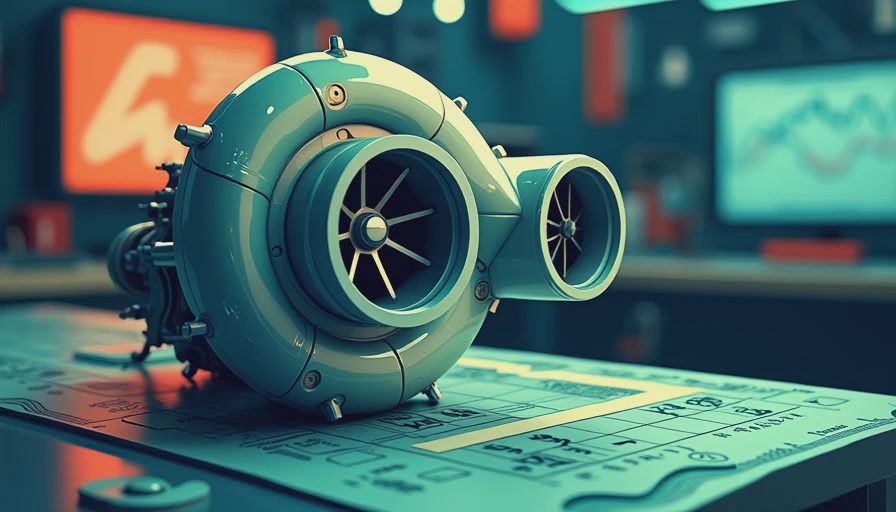
For forced-induction engines, a larger intercooler and boost controller offer consistent power. Heat is the enemy on a turbo car. A more efficient intercooler lowers intake temps and maintains power on hot days. For naturally aspirated engines, headers and camshafts shift the powerband higher. Look for parts with published dyno data. If a manufacturer claims a twenty-horsepower gain but won't show the chart, treat it with suspicion.
Suspension is where the transformation happens. Replacing worn bushings with polyurethane units tightens the car. Sway bars change cornering balance. Coilovers let you set ride height and damping. Good brake pads, fresh rotors, and high-temp fluid will make you faster than another fifty horsepower will. You'll brake later and carry more speed into every corner.
Budgeting a Realistic Build
Here's where the straight talk starts. You can spend $200 on a generic intake or $800 on a proven kit from a company that publishes flow numbers. The difference shows up in fitment, materials, and consistency. My rule of thumb: buy the cheapest part that a respected shop would install on their own vehicle. That usually lands in the middle of the price range.
A decent set of coilovers runs $1,200 to $3,000. A turbo upgrade can cost $1,500 to $5,000 depending on the platform. Big brake kits start around $1,200. Used parts can save money, but only if you know how to inspect them. Cracks and stripped threads can hide under fresh paint. Bring a flashlight and a suspicious mind. Also budget for tools: a torque wrench, a ball joint press, and jack stands cost a few hundred dollars. Factor those in before you start buying.
Datalogs and Build Journals
The part most builders skip is the baseline. Before you change anything, log boost, air/fuel ratio, oil temperature, and lap times. After each mod, log again. That data tells you which parts worked and which wasted your money. A basic OBD-II adapter and engine management software cost under $100. A wideband oxygen sensor is worth another $150 if you're touching the engine.
A build journal becomes your best tool. Not a forum thread that gets buried, but a permanent record you can reference years later. Write down part numbers, torque specs, alignment settings, and install dates. When something goes wrong at 2am, that journal is your map. It also adds value if you sell the car. A documented build with datalogs is worth more than a mystery pile of modifications.
Mistakes That Kill Builds
Common mistake number one: buying for the brand instead of the function. Number two: upgrading one system without considering the ones around it. Slap on a massive turbo without a fuel system upgrade and you'll be calling a tow truck. Number three: ignoring maintenance. If your car has 150,000 miles on factory bushings, replacing them might give you more lap time than coilovers.
Don't skip the tune. Even a perfect selection of performance aftermarket auto parts needs calibration to work together. A good tuner will want your datalogs, adjust the fuel and timing maps, and make sure the car runs safely. Skipping that step is how engines melt.
The Bottom Line
The best builds aren't the ones with the most parts. They're the ones where every part has a reason to be there. Start with a plan, log your baseline, and document every change. Buy the best quality your budget allows, but don't let the catalog make your decisions. Post your build. We'll read the whole thing.

No comments yet.