If you have stared at a car with its wheels tucked too far inside the fenders, you have probably asked, what do wheel spacers do? The short answer is simple: a wheel spacer moves the wheel outward from the hub. That extra distance changes the wheel's effective offset, which can improve stance, clear suspension parts, or make room for a larger brake package. It can also create clearance problems and add stress to components when the installation is poorly planned.
For a serious build, spacers are not a cosmetic afterthought. They are a fitment part that changes the relationship between the wheel, hub, tire, bearing, suspension, and fender. Measure first, choose quality hardware, and document the result in your build thread instead of trusting a photo from a different car.
What do wheel spacers do mechanically?
A spacer is a machined ring installed between the vehicle hub and the wheel. A 5 mm spacer pushes the wheel 5 mm outward. A 20 mm spacer pushes it 20 mm outward. The wheel's effective offset becomes more negative by approximately the thickness of the spacer. For example, a wheel with a 45 mm offset and a 10 mm spacer behaves, from a clearance standpoint, much like a wheel with a 35 mm offset.
That movement can solve a real problem. A wheel spoke might contact a large brake caliper, the inner barrel might sit too close to a coilover, or the tire shoulder might rub an inner fender liner. Moving the wheel outward can create the needed gap without replacing an otherwise useful set of wheels.
There is a tradeoff. Moving the tire's contact patch away from the steering axis increases scrub radius. Steering effort can rise, kickback over rough pavement can become more noticeable, and the suspension can experience higher leverage at the wheel bearing. A small change is not automatically dangerous, but it should be treated as an engineering change rather than free clearance.
Spacer types and the hardware that matters
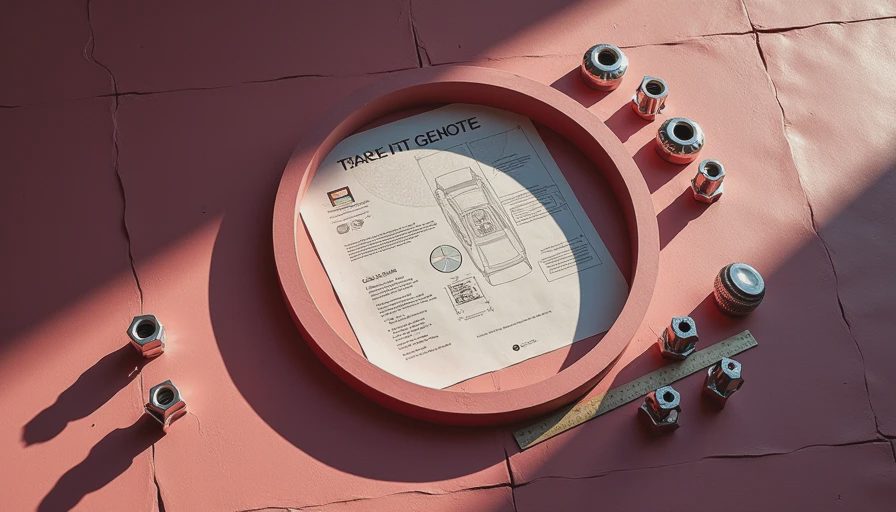
The simplest style is a slip-on spacer. It slides over the existing wheel studs or hub studs, and the original fasteners secure the wheel. Thin slip-ons are common for correcting minor clearance issues, but they reduce the amount of thread available for the lug nut. If the original setup provides 25 mm of thread engagement, a 10 mm spacer can leave only 15 mm. That is not a detail to ignore.
A bolt-on or hub-centric spacer uses its own fasteners to attach to the hub, then provides new studs or threaded holes for the wheel. These are typically used at greater thicknesses, such as 20 mm or 25 mm. The spacer must have the correct bolt pattern, center bore, and seat design. A 5x114.3 wheel pattern is not interchangeable with 5x112, even when the holes appear close enough to fit.
Hub-centric means the spacer and wheel locate on a matching center lip rather than relying only on the lug nuts. Lug-centric parts can work when properly designed and torqued, but they are less forgiving during installation. Avoid generic, soft-cast rings with rough machining. Look for a reputable manufacturer, accurate dimensions, suitable alloy, and hardware rated for automotive wheel service.
How to measure before buying
Start with the car on level ground and remove one wheel. Measure the distance from the tire sidewall to the nearest suspension component, then measure the distance from the sidewall to the fender lip. Remember that the tire, not just the wheel, determines real-world clearance. A 245-width tire on one brand's casing can be noticeably different from another brand's 245.
Turn the steering from lock to lock on the front axle and inspect the inner liner, sway bar, tie rod, and strut area. Check clearance at normal ride height, then account for compression. On a lowered car, a jack under the control arm can help simulate suspension travel. Do not use a spacer to hide a tire that already rubs under compression; fix the tire, wheel width, ride height, or alignment problem first.
Check the wheel's backspacing, offset, center bore, and bolt pattern. Then calculate the new position. If your current wheel is 18x9 with a 45 mm offset and you add a 15 mm spacer, its effective offset is about 30 mm. That places the outer lip farther toward the fender while also changing the inner clearance. Record every measurement in millimeters. Guessing by eye is how a clean Saturday installation becomes a late-night rework.
Installation details that prevent expensive problems
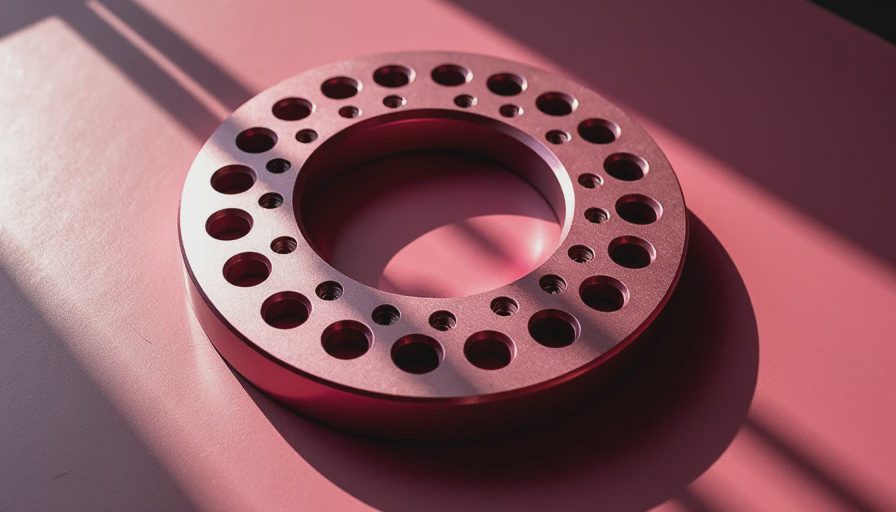
Clean the hub face with a wire brush and brake cleaner, removing rust scale without grinding away the locating surface. The spacer must sit completely flat. A small piece of corrosion trapped behind it can create runout, vibration, or uneven clamping. Never stack two spacers to reach a desired thickness.
Use the correct lug nuts or wheel bolts for the spacer and wheel. Ball-seat and conical-seat hardware are not interchangeable. With bolt-on spacers, tighten the spacer nuts to the manufacturer's specification, then install the wheel using the wheel maker's torque requirement. Do not assume one torque number fits every aluminum wheel, stud, or hub.
After lowering the car, torque the fasteners in a star pattern with a calibrated torque wrench. Drive slowly for a short test loop, then recheck torque after roughly 50 to 100 miles and inspect for movement, unusual vibration, or fresh contact marks. A spacer that settles against corrosion can lose clamp load. If the wheel shows looseness, stop driving and find the cause.
What do wheel spacers do to handling and wear?
The handling change depends on thickness, tire width, suspension geometry, and driving conditions. A modest spacer can make a car feel slightly more planted by widening its track, but that does not automatically improve lap times. The altered scrub radius can make steering less calm on grooved pavement. On a front-wheel-drive car, torque steer or steering kickback can become more obvious.
Wheel bearings and ball joints do not instantly fail because a spacer is installed. However, the added offset increases the lever arm acting on those parts. A car used for autocross, track days, heavy towing, or rough roads deserves closer inspection than a lightly driven weekend cruiser. Look for play, torn boots, uneven tire wear, and grease leakage during routine maintenance.
The spacer itself is not a substitute for proper alignment. After changing wheel position or suspension height, check toe, camber, and steering clearance. A small toe error can destroy a tire much faster than the spacer costs. If the vehicle pulls, the steering wheel is off-center, or the tire rubs during braking, address those symptoms before adding more parts.
When spacers make sense for a project
Spacers make sense when you have verified a specific clearance or stance goal. Examples include clearing a Brembo caliper behind a wheel, correcting a conservative factory fitment, or matching front and rear wheel positions on a staggered build. They can save the cost of replacing a good wheel set, often keeping a $1,500 to $3,000 wheel purchase off the project list.
They make less sense when the only plan is to use the thickest spacer that produces a flush photograph. If the tire extends beyond the fender, rubs over bumps, or leaves inadequate lug engagement, the stance is not finished. A different wheel offset, narrower tire, rolled fender, or revised suspension setup may be the cleaner solution.
So, what do wheel spacers do in practical terms? They give you another fitment variable, with real effects on clearance and steering geometry. Used with measurements and quality hardware, they can be a precise part of a long-term build. Used as a guess, they turn a simple visual change into a reliability problem.
Post your build. We'll read the whole thing.

No comments yet.