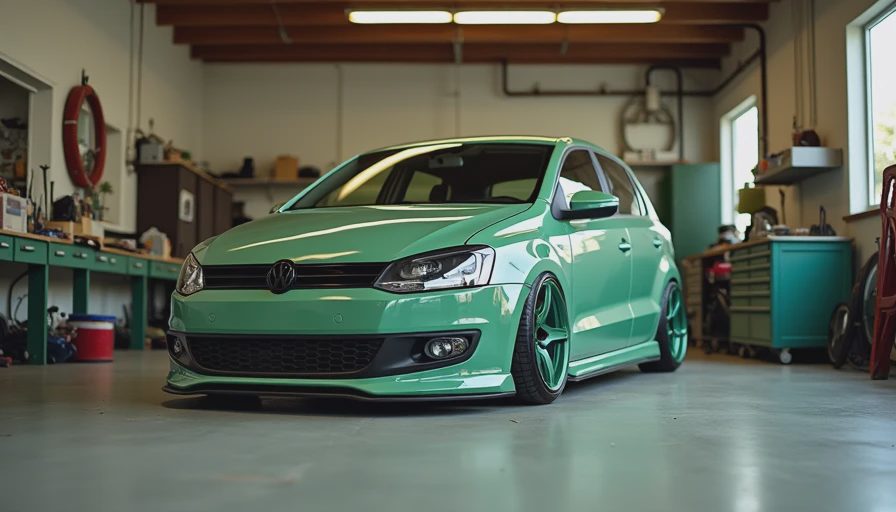
A modded Nissan Versa can be one of the most interesting cars in the garage because it rewards careful problem-solving instead of a large factory performance budget. Whether you are building a lowered 2012 Versa sedan, refreshing a first-generation hatchback, or adding handling parts to a newer model, the insurance plan needs to keep pace with the hardware. A modded Nissan Versa is not automatically impossible to insure, but undeclared suspension, wheel, exhaust, or engine changes can create expensive questions after a loss.
The right approach is simple: document the build, understand what your policy actually covers, and shop with an agent or carrier that will discuss modifications before you need to file a claim. Your build journal is useful here. Photos, receipts, installation dates, and part numbers give an insurer a clear record of what exists on the car.
Start with the build sheet, not the quote
Before requesting coverage, make a spreadsheet for every installed part. Record the brand, exact product name, price, date purchased, and whether the work was performed by you or a shop. For a typical modded Nissan Versa, that list might include Tein or BC Racing coilovers, Enkei or Konig wheels, upgraded tires, a cat-back exhaust, intake plumbing, a rear sway bar, bucket seats, and an aftermarket stereo.
Separate cosmetic parts from mechanical parts. A $900 wheel and tire package affects replacement value, while a $75 shift knob usually does not change the risk in the same way. Note whether factory components are stored in the garage. Keeping the original wheels, springs, seats, and exhaust can help with future repairs and makes the project easier to explain.
Take photos before and after each major change. Photograph the VIN, odometer, engine bay, cabin, wheels, and suspension clearance. Save online order confirmations as PDFs rather than relying on an email account. If a claim happens two years from now, a dated folder is far more persuasive than trying to remember what was installed during a late-night garage session.
What standard auto insurance usually handles
A normal personal auto policy commonly provides liability coverage for damage or injuries you cause to others. It can also include collision coverage for crash damage and comprehensive coverage for non-collision losses such as theft, vandalism, hail, falling objects, or animal strikes. Those coverages generally apply to the insured vehicle, but modified parts can be subject to policy limits, exclusions, or replacement rules.
For example, a collision claim might pay to repair the car with standard replacement components rather than reproduce every custom choice. A damaged aftermarket wheel may be treated differently from an original-equipment wheel. If the suspension has been changed, the adjuster may also inspect whether an installed part contributed to the loss. That does not mean a legitimate modification automatically voids coverage; it means the policy language and disclosure matter.
A modded Nissan Versa that is used for commuting, errands, and occasional road trips should be described honestly. Do not call it a stock car if it has a turbo kit, engine swap, harness bar, or major suspension work. A short conversation before binding coverage is safer than hoping an undisclosed change will never become relevant.
Ask specifically about custom equipment coverage
Some policies include a modest limit for custom parts, often nowhere near the cost of a serious build. A carrier might offer an endorsement for custom equipment, while a specialty insurer may evaluate the vehicle using an agreed value or stated amount approach. These terms are not interchangeable, so ask what happens if the vehicle is declared a total loss and how depreciation is handled.
A $4,000 build can disappear quickly in a theft or severe collision. Suppose your modded Nissan Versa has $1,200 in wheels and tires, $1,100 in suspension and chassis parts, $800 in exhaust and intake work, and $900 in interior and audio equipment. The replacement cost is already $4,000 before labor. A small built-in custom-equipment limit could leave several thousand dollars unpaid.
Ask these questions in plain language: Are aftermarket wheels covered? Are performance parts included if listed on receipts? Does the deductible apply to custom equipment? Are installed parts covered for theft? Will the insurer use equivalent aftermarket components, original parts, or cash value? Get the answers in writing through the quote, endorsement, or policy documents.
Choose parts with claims and safety in mind
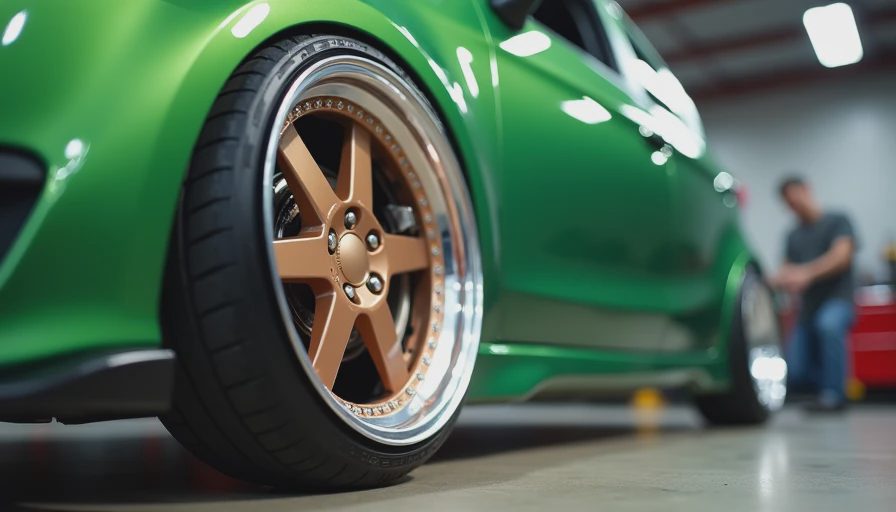
The best modded Nissan Versa builds are engineered as systems. Lowering springs paired with worn dampers can produce a harsh, unpredictable car, while excessive wheel offset can stress bearings and create tire clearance problems. A clean alignment, properly torqued fasteners, and adequate tire load rating matter more than an aggressive stance in a driveway photo.
Keep receipts for professional alignment, corner balancing, welding, wiring, and tuning. If you install coilovers, record ride height and alignment settings. If you add power, save dyno sheets and calibration files. A claims conversation is easier when your records show that the car was maintained deliberately rather than assembled from unidentified used parts.
Avoid street use of equipment intended only for competition. Racing harnesses, removed airbags, and emissions-related changes can create safety, legal, or underwriting problems. A track-day setup should be discussed separately because a personal auto policy often excludes racing or timed competition. Transport the car to an event and confirm event-specific coverage rather than assuming your road policy follows it onto a course.
Compare carriers without hiding the project
Mainstream insurers such as State Farm, GEICO, Progressive, and Allstate may offer convenient everyday coverage, but their treatment of modifications varies by policy, state, vehicle use, and underwriting rules. One carrier might accept mild wheels and suspension changes with an endorsement; another might decline a turbo conversion or require a specialty product. The important comparison is not just the six-month premium.
Request quotes using the same liability limits, collision and comprehensive deductibles, uninsured motorist coverage, and custom-parts amount. A $1,000 deductible can reduce the premium, but it also means paying that amount after a covered loss. If the car is worth $10,000 and the documented build adds $3,500, ask whether the total insured value reflects both the base vehicle and eligible modifications.
Specialty options from companies such as Hagerty or American Modern are often designed for collector, enthusiast, or modified vehicles, but eligibility and usage restrictions apply. Some products limit commuting, annual mileage, storage, or household drivers. A daily-driven Versa may need a conventional policy with a custom-equipment endorsement instead of a collector policy.
A practical renewal checklist
Review the policy every time the project changes substantially. Adding $2,000 in wheels and suspension after renewal is a reason to contact the insurer, not just update the spreadsheet. Confirm the vehicle address, annual mileage, storage location, primary driver, and commuting use. A change from weekend car to daily transportation can affect eligibility and pricing.
Keep one digital folder with the declaration page, endorsements, receipts, photos, alignment sheets, and a current parts total. Store a second copy away from the vehicle. If the car is stolen, these records can help identify it and support a claim. If it is repaired, they can help the shop understand which components must be replaced rather than substituted.
A modded Nissan Versa does not need to be built around an insurer, but insurance should be part of the build plan from the first parts order. Price coverage before installing expensive hardware, disclose the changes, and compare the full claim promise instead of chasing the lowest quote. Post your build. We'll read the whole thing.

No comments yet.