An exhaust video can tell you whether a muffler is loud, but it rarely tells you how it behaves at 2,800 rpm on the highway or whether the inlet actually lines up under your car. This HKS muffler sound comparison and installation review comes from the garage-floor perspective: tone, resonance, fitment, tools, and the small details that decide whether the finished system feels engineered or merely bolted together.
HKS has built a reputation around Japanese performance cars, and its exhaust products generally aim for a controlled, purposeful sound rather than maximum volume. That distinction matters. A muffler can be quiet enough for a long drive while still giving the engine a sharper voice when the throttle opens. Your exact result depends on the engine, headers, catalytic converters, mid-pipe, tuning, and cabin insulation, so treat any recording as a reference rather than a promise.
What the HKS muffler sounds like in comparison
The useful way to compare an HKS muffler is across three conditions: idle, steady cruise, and hard acceleration. At idle, many HKS systems have a deeper note than stock without turning the car into a constant announcement. The sound usually has more body around the low and middle frequencies, but it should not rely on a harsh buzz to seem aggressive.
Under light throttle, the difference is easier to hear from inside the car. A factory muffler often smooths away most intake and exhaust character. An HKS unit can add a clean mechanical layer, especially on a naturally aspirated four-cylinder or a turbocharged engine building boost. It is not automatically louder in every part of the rev range; the change is more about definition and response.
At wide-open throttle, the comparison depends heavily on the rest of the exhaust. With a restrictive factory mid-pipe, the muffler may provide a modest change. With a larger-diameter pipe and a high-flow catalytic converter, the same muffler can sound substantially louder. In this HKS muffler sound comparison and installation review, the main takeaway is that the muffler should be judged as one part of a system, not as an isolated speaker.
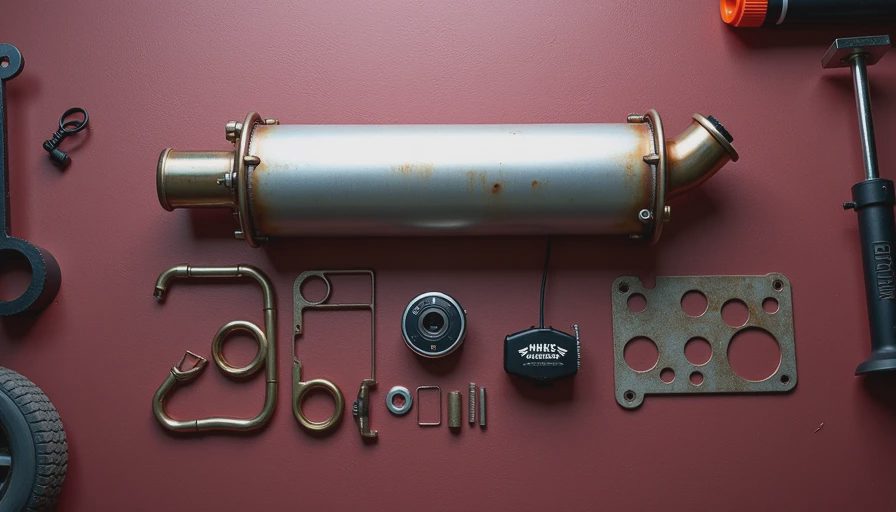
Drone deserves its own test. Hold the car at common cruising speeds and listen between roughly 2,000 and 3,000 rpm, where many four-cylinder setups develop cabin resonance. A little bass is enjoyable; a note that makes the rearview mirror blur and your teeth vibrate is not. Sedan trunks, hatchback interiors, and stripped project cars all transmit sound differently. Record inside the cabin as well as from the curb before deciding that an exhaust is too loud or too quiet.
Fitment and preparation before installation
The best installation starts before the car goes on jack stands. Confirm the exact HKS muffler part number, inlet diameter, outlet position, hanger locations, and intended chassis. Some products are designed as direct replacements, while others assume a particular HKS mid-pipe or exhaust layout. A universal muffler can be made to work, but that becomes a fabrication project rather than a simple weekend swap.
Inspect the existing exhaust while it is cold. Check flange condition, rust around the bolts, cracked rubber hangers, and clearance near the bumper, fuel tank, suspension, and rear subframe. A replacement muffler cannot correct a bent mid-pipe or a sagging hanger. Measure the pipe diameter with calipers if possible instead of trusting a listing description. A small mismatch can require a reducer, adapter, or a short section of new tubing.
For tools, plan on a floor jack, four properly rated jack stands, penetrating oil, metric sockets, extensions, a breaker bar, exhaust hanger pliers, and a torque wrench. A rubber mallet helps separate slip joints without crushing tubing. Keep a fire extinguisher nearby if cutting or welding is part of the plan, and never work beneath a car supported only by a jack.
The hardware is worth attention. Old flange bolts may look reusable but stretch, round off, or snap during removal. Budget for replacement gaskets, nuts, bolts, and fresh exhaust springs where the design uses them. The HKS muffler sound comparison and installation review is more useful when the install is not compromised by a leaking gasket at the first flange.
Installation steps that prevent rework
Start with the car level and completely cool. Soak fasteners ahead of time, then remove the rear hangers and support the muffler before loosening the inlet connection. If the joint is seized, controlled heat or careful cutting can save hours, but protect fuel lines, plastic shields, and nearby wiring. Do not pry against a thin floor panel just to force a stubborn pipe apart.
Before tightening anything, install the new muffler loosely at every connection. Check the tip depth, angle, bumper clearance, and distance from the rear suspension through its range of movement. The exhaust should not touch the body when you push the tailpipe by hand. Leave enough room for thermal expansion; a cold system can move closer to the bumper after a long drive.
Tighten from the front connection toward the outlet, keeping the system centered as you go. Use the torque specification supplied by HKS or the vehicle manufacturer for the applicable fasteners rather than copying a generic number from a forum post. If the system uses a slip joint, make sure adequate overlap remains after final positioning. A clamp at the edge of a pipe is an invitation to leaks.
Once installed, start the engine and inspect every joint for escaping gas. A gloved hand held near, not on, the connection can help identify airflow, while a length of hose used as a listening tool can locate a small hiss. Never put your face near a running exhaust. Recheck the hangers and clearances after the first heat cycle because the rubber can settle and the metal will expand.

Street driving impressions and daily usability
The first drive should be short and local. Listen for rattles over bumps, a metallic buzz during deceleration, and contact when turning into driveways. Then test steady cruising, moderate acceleration, and a few higher-rpm pulls where traffic and road conditions allow. This sequence separates installation noise from the muffler's actual character.
A good HKS setup usually makes throttle changes easier to feel through sound without forcing the driver to shout at highway speed. If the car has a loud intake, lightweight flywheel, or removed interior panels, the exhaust will seem more prominent than the same muffler in a fully trimmed cabin. Tires and road surface can also mask or exaggerate resonance.
Fuel economy should not be treated as the reason to buy a muffler. Any change is usually tied to the complete exhaust and how the driver uses the added sound. The practical benefits are tone, appearance, weight, and compatibility with the build's power goals. If emissions equipment is altered, confirm local requirements before driving the car on public roads.
Is the HKS muffler worth installing?
For a careful builder, the answer is yes when the goal is a refined performance sound and dependable fitment. It is not the right choice if the only target is maximum volume per dollar. A cheap universal muffler can be louder, but it often requires more fabrication and can introduce drone, poor tip alignment, or thin-sounding resonance.
My HKS muffler sound comparison and installation review comes down to matching the part to the rest of the car. Verify the chassis, pipe size, and intended exhaust layout first. Photograph the original hanger positions, measure clearance before tightening, and save the old hardware until the new system has passed a full heat cycle and road test. Those steps prevent the classic 2 a.m. discovery that the tip sits crooked or the flange leaks.
The best finished exhaust is the one you can enjoy on a back road and tolerate on a long trip. HKS generally operates in that useful middle ground: more character than stock, less chaos than an unplanned straight-pipe setup. Document the part number, supporting modifications, sound recordings, and any fitment corrections in your build thread. Post your build. We'll read the whole thing.


No comments yet.