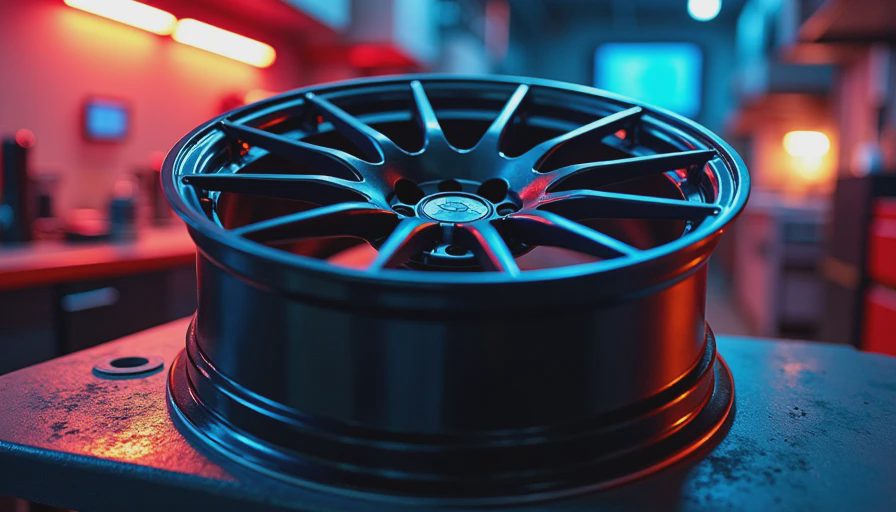
The Apex Arc 8 is the kind of wheel that deserves more than a quick product-photo opinion. On a finished car, the difference between a sharp fit and a frustrating one comes down to measurements, tire choice, brake clearance, suspension travel, and the small details you record before ordering. If this is going on a project car that lives in your garage for months, treat the wheel as part of the engineering package rather than a cosmetic afterthought.
Before spending money, write down the car's year, model, trim, current suspension setup, brake package, and intended use. A street-driven build has different priorities from a weekend autocross car. Ride height, alignment, fender shape, and wheel hardware all change the answer. The Apex Arc 8 can look properly motorsport-inspired, but the final result depends on how carefully it is matched to the chassis.
Start with measurements, not photos
Wheel diameter and width are only the beginning. Offset controls where the wheel sits relative to the strut, hub, fender, and suspension links. A lower offset pushes the wheel outward; a higher offset pulls it inward. Neither direction is automatically better. You need enough inner clearance for the strut and enough outer clearance for the fender under compression and steering lock.
Measure the current setup from the hub face to the nearest suspension component and from the hub face to the fender lip. A straightedge, ruler, and a few minutes with the car safely supported can reveal more than a dozen forum photos. Record the current wheel's width and offset, then compare the proposed dimensions. Remember that tire section width varies by brand even when the sidewall size is identical.
The Apex Arc 8 should be checked against the actual brake package, not the base-model specification. A larger caliper, aftermarket rotor, or spacer can change the clearance picture. Check spoke-to-caliper room with a template when possible. A wheel that clears the barrel can still contact the spokes, and a wheel that fits at rest can rub after the suspension compresses.
Match the tire to the job
A good wheel fit can be ruined by an unsuitable tire. For a street project, prioritize a tire with predictable wet grip, reasonable noise, and a sidewall that can tolerate imperfect pavement. A serious track setup might use a 200-treadwear tire, but that choice brings more heat, road noise, wear, and sensitivity to pressure. The right answer depends on how often the car sees a circuit compared with a commute.
Tire width also changes steering feel. A wider tire can add grip, but it can increase tramlining and place more load on the steering system. A stretched sidewall may expose more wheel lip, yet it reduces the tire's protection and is rarely the best solution for a car that sees rough roads. A square setup keeps rotation simple, while a staggered arrangement can support a rear-drive balance but limits tire rotation.
When planning around the Apex Arc 8, compare the tire manufacturer's approved rim-width range with your selected wheel. Do not rely only on what another owner posted online. Two cars with the same model name can have different fenders, suspension arms, brake kits, or ride heights. Record the tire model, size, cold pressure, and alignment settings in the build thread so future changes have a useful baseline.
Check suspension and body clearance
Clearance must be checked through the full range of movement. Turn the steering from lock to lock, inspect the front and rear edges of the tire, and compress the suspension carefully. Look for contact at the fender liner, bumper tab, sway-bar end link, spring perch, and inner frame area. A polished wheel with a damaged tire sidewall is not a successful fitment.
Ride height changes can create false confidence. A car sitting still in the garage may clear perfectly, then rub when a passenger, fuel load, and road dip combine. If the build uses coilovers, note the spring diameter and lower mount design. Adjustable camber can solve an outer-edge problem, but excessive negative camber can create uneven wear and poor street manners.
The Apex Arc 8 also deserves a check after the first drive, not just before it. Inspect the inner barrel and tire shoulders for fresh marks. Listen for a light scrape over driveway transitions and full-lock turns. If contact appears, identify the exact location before changing three things at once. A small liner adjustment, revised alignment, or different tire profile may solve the problem without a major compromise.

Hardware, torque, and installation
Use the correct lug nuts for the wheel's seat design. Conical and ball-seat hardware are not interchangeable, and the wrong seat can damage the wheel or create unreliable clamping. Confirm stud or lug-bolt thread engagement, especially if spacers are part of the plan. If a spacer is used, it needs proper hub centering and enough engagement for the application.
Clean the hub face before installation. Rust scale or paint buildup can prevent the wheel from sitting flat and can produce vibration that looks like a bent wheel. Install the wheel by hand, snug the hardware in a star pattern, and torque it with a calibrated wrench to the vehicle manufacturer's specification. Recheck torque after the first short drive and inspect for movement or unusual noise.
Do not use an impact gun as the final torque method. An impact is useful for removal and initial seating when handled carefully, but final clamping force belongs to a torque wrench. Keep a note of the hardware type, torque value, spacer thickness, and date installed. That record is more useful than trying to remember what was done during a late-night garage session.
Finish, durability, and daily use
The finish should match how the car is driven. Gloss finishes make brake dust obvious but are easy to inspect. Satin surfaces can hide light contamination, while darker colors may visually reduce the wheel's size. A clean, consistent finish often looks better than a complicated color choice, especially when paired with simple tire lettering and properly trimmed wheel weights.
Inspect the Apex Arc 8 after mounting for shipping damage, coating chips, valve-stem leaks, and uneven bead seating. Use a soft brush and pH-neutral wheel cleaner rather than aggressive acid products. If the car sees salted roads, rinse the wheels regularly and inspect the inner barrel. Avoid dragging a pressure-washer tip across the finish or aiming concentrated spray at tire bead areas.
A second set of wheels can make sense for a car that sees winter conditions or frequent track use. The street set remains easier to protect, while the track set can carry a dedicated tire and more aggressive alignment. Label each wheel's position, record tread depth, and store tires away from direct sunlight. Those habits cost little and prevent confusion during the next season.
Document the finished setup
A build journal should show more than a final three-quarter photo. Photograph the wheel on the car at normal ride height, full steering lock, and with the suspension compressed if you can do so safely. Include a clear shot of the sidewall, hub area, fender gap, and any spacer. Write down wheel width, offset, tire size, pressure, alignment, and brake configuration.
The Apex Arc 8 becomes much easier for another builder to evaluate when the post includes the real context: chassis, suspension brand, ride height, brake kit, and intended use. Explain what worked and what required a second attempt. If the first tire choice rubbed but the replacement solved it, record both sizes and where the contact occurred. That is the information people cannot get from a catalog.
Before ordering, verify every dimension against the seller's current listing and your car's measured requirements. Part availability and finish options can change, and a forum post from several years ago may describe a discontinued specification. Once the wheels are mounted and tested, post your build. We'll read the whole thing.



No comments yet.