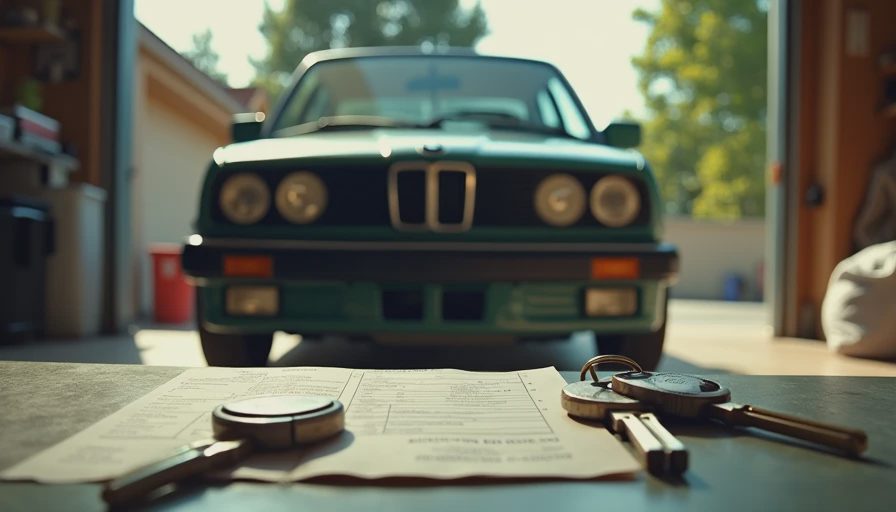
The 1988 bmw 325i is the kind of car that makes a garage project feel worthwhile. It has the right proportions, rear-wheel drive, a naturally aspirated straight-six, and enough aftermarket support to reward careful work without demanding a computer science degree. Whether you found a clean coupe, a tired sedan, or a partially modified example, the smartest first step is documenting what you actually have. That record helps with repairs, resale, and insurance.
An E30 project is rarely just a transportation purchase. A $7,000 car can become a $20,000 build after suspension, paint, interior, wheels, cooling-system work, and a few failed experiments. Insurance needs to account for that reality, especially if the car is no longer valued like an ordinary older commuter.
Know what makes the 1988 bmw 325i different
The 1988 bmw 325i uses the M20B25 inline-six, a 2.5-liter engine known for a broad torque curve and a mechanical feel that modern cars have mostly lost. Factory output was roughly 168 horsepower in US specification, which sounds modest now but works well in a light chassis. The appeal is balance, not dyno-sheet bragging.
Before ordering parts, verify the body style, transmission, production details, and engine number. A 325i may have changed hands several times, and many cars have received an engine swap, manual conversion, limited-slip differential, or suspension replacement. Decode the VIN, photograph the engine bay, and record casting numbers where practical. These details matter when you are comparing an original restoration with a modified driver.
The timing belt deserves immediate attention if its replacement history is unknown. The M20 is an interference engine, so a failed belt can cause serious internal damage. Cooling-system refreshes, oil leaks around the valve cover, worn suspension bushings, rusty fuel lines, and brittle plastic connectors should also rank ahead of cosmetic upgrades.
Build the car in the right order
A reliable foundation beats an expensive parts pile. Start with brakes, tires, steering, suspension, fuel delivery, and cooling. A set of quality shocks, fresh control-arm bushings, new ball joints, and properly aligned wheels can transform the car before you touch horsepower. Brands such as Bilstein, Koni, Lemforder, and Meyle HD are common reference points, but fitment and condition matter more than logo hunting.
For a street-focused 1988 bmw 325i, conservative spring rates and sensible ride height usually create a better car than an aggressively lowered setup. Excessive drop can damage oil pans, worsen bump steer, and make alignment difficult. If you plan track days, define that use before selecting coilovers. A setup that works for a weekend circuit car can be unpleasant over broken city pavement.
The engine should be evaluated with tests rather than assumptions. Check compression across all cylinders, inspect vacuum hoses, measure fuel pressure, and look for cooling-system pressure loss. A clean baseline gives you a useful before-and-after record when you later install headers, an intake, a chip, or a rebuilt cylinder head.
Choose insurance before the build gets expensive
Standard liability coverage protects you when you injure someone or damage their property, but it does not automatically reimburse the full cost of your parts and labor. Collision coverage addresses damage from a crash, while comprehensive coverage generally applies to non-collision losses such as theft, fire, hail, vandalism, or falling objects. A project car needs a conversation about how its value is determined.
Some owners use a classic or collector-car policy. These policies can offer agreed-value coverage, where you and the insurer establish a value before a covered loss. Requirements often include limited mileage, secure storage, another daily-use vehicle, and restrictions on commuting. A modified 1988 bmw 325i may instead need a specialty policy that allows declared upgrades, custom equipment, and restoration work.
Ask specifically how the policy treats wheels, engine swaps, suspension parts, paint, audio equipment, and labor. A $5,000 agreed value does not necessarily mean every dollar spent on a turbo conversion is covered. Keep receipts and ask for written confirmation when a modification changes the insured value. Comparing quotes from providers such as Hagerty, American Modern, Grundy, and a regular carrier can reveal meaningful differences in eligibility and usage rules.
Document every dollar and every change
Create a build file before turning the first wrench. Use a spreadsheet with the date, mileage, part number, supplier, price, and installation notes. Photograph the car from all four corners, then capture the interior, engine bay, trunk, underside, wheels, and identifying marks. Save receipts as PDFs and keep them in two locations.
This documentation is useful beyond insurance. It prevents buying duplicate parts, helps diagnose recurring faults, and gives the next owner a credible history. If you buy a used differential or a rebuilt steering rack, write down the source and any warranty information. If a shop performs alignment or welding, retain the invoice and alignment printout.
A practical example is a car purchased for $9,500 with $4,800 in mechanical work, $2,200 in suspension and brakes, and $3,000 in interior and trim. The owner should not assume the market value automatically equals $19,500, but the records support a more informed valuation discussion than a single sales listing would.

Plan the purchase around rust and history
The cleanest 1988 bmw 325i is usually the better bargain, even when its asking price is higher. Inspect the battery tray, floor pans, rocker panels, jack points, rear subframe mounting areas, windshield corners, and spare-tire well. Surface corrosion can be manageable; structural rust hidden under undercoating can consume a project budget quickly.
Look for mismatched paint, overspray, uneven panel gaps, missing trim, and evidence of accident repair. A car with faded paint and complete original trim may be a stronger starting point than a shiny example assembled from several parts cars. Test every window, gauge, switch, blower speed, sunroof function, and warning light before negotiating.
If possible, put the car on a lift and inspect the differential, driveshaft guibo, transmission mounts, exhaust hangers, brake lines, and rear trailing-arm bushings. A pre-purchase inspection costing roughly $150 to $300 can save thousands when it identifies structural or drivetrain problems before money changes hands.
Make the project insurable and usable
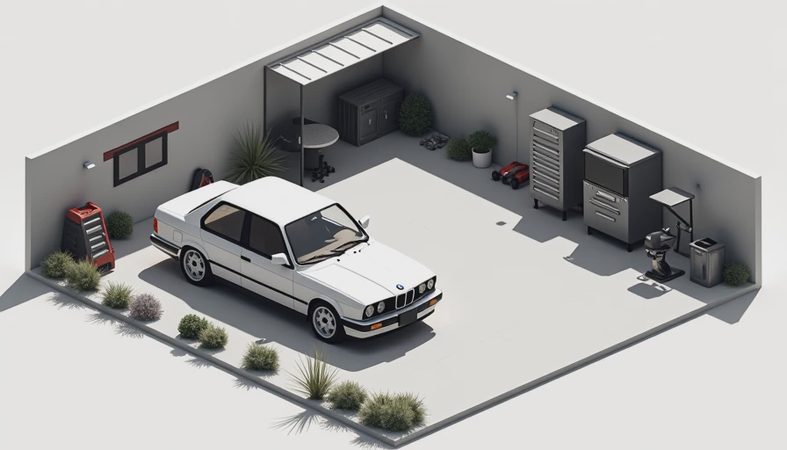
Insurance companies need a clear picture of how the car is stored and driven. A locked garage, alarm, tracking device, club membership, and limited recreational mileage can support eligibility for specialty coverage, although each provider sets its own rules. Be accurate about commuting, autocross, track use, and household drivers. A claim can become difficult when the actual use differs from the application.
Before the first road test, install working seat belts, inspect tires for age, confirm brake-fluid condition, and verify that the battery is secured. Carry the insurance card, registration, and emergency contact information. Do not let excitement about a fresh engine rebuild push a car onto the street before the cooling fan, fuel lines, and brakes have been proven reliable.
The best 1988 bmw 325i build is not necessarily the loudest or lowest. It is the one with a documented foundation, predictable handling, sensible coverage, and a plan that leaves room for the next improvement. Post your build. We'll read the whole thing.

No comments yet.