The muffler delete pros and cons for daily driven cars come down to one question: do you want a louder exhaust every time you start the engine, or do you want a car that stays comfortable on a two-hour commute? Removing the muffler is one of the cheapest exhaust modifications you can make, but it is not automatically a performance upgrade. The result depends on the engine, exhaust layout, pipe diameter, resonators, transmission gearing, and how much highway driving you actually do.
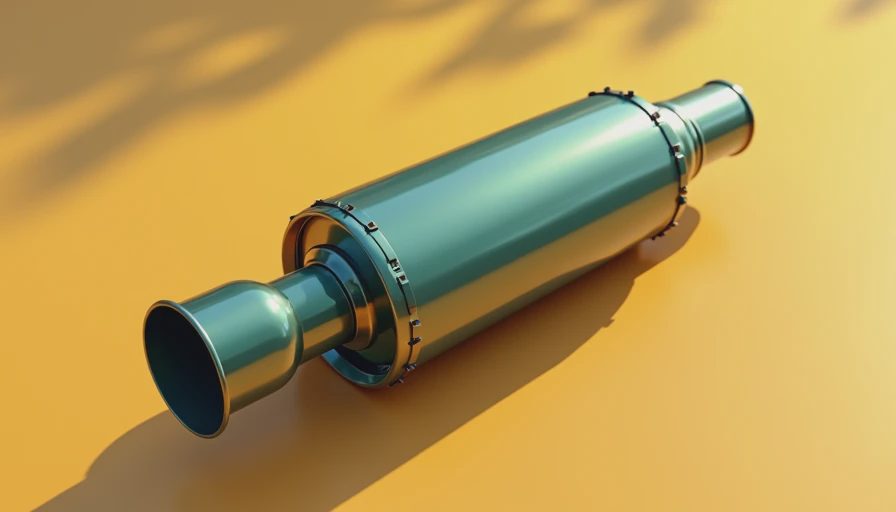
A muffler is designed to reduce exhaust noise by using chambers, perforated tubes, and sound-absorbing material. Deleting it replaces that restriction with a straight section of pipe. On some cars, the change is dramatic. On others, the exhaust becomes only slightly louder while adding an unpleasant metallic rasp. Before cutting anything, understand what the modification changes and what it leaves untouched.
What a muffler delete actually changes
A muffler delete removes the rear silencing device, but it does not remove the catalytic converter. It also does not normally change the engine tune, intake airflow, fuel system, or exhaust manifold. That distinction matters because many owners expect a large horsepower gain from a modification that mainly changes sound.
On a naturally aspirated four-cylinder, a muffler delete might make throttle input feel more immediate, but any power improvement is usually small enough that you will not feel it from the driver’s seat. Turbocharged cars can respond differently because exhaust flow and turbine backpressure are part of a more complicated system. Even then, the muffler is only one section of the complete exhaust path.
The largest immediate change is volume. Cold starts become more noticeable, acceleration sounds sharper, and the car can seem faster because your ears receive more feedback. That sensory change is real, but it should not be confused with a dyno-proven performance increase. Keep the original muffler if you can. Some drivers reinstall it after discovering that the noise is not worth the tradeoff.

The main benefits for an enthusiast build
The best argument in the muffler delete pros and cons for daily driven cars discussion is cost. A local exhaust shop can often remove a rear muffler and weld in straight pipe for roughly $100 to $300, depending on access, pipe material, tips, and local labor rates. A bolt-on axle-back system from brands such as Borla, MagnaFlow, Flowmaster, MBRP, or AWE can cost several hundred dollars more, but it may provide a cleaner fit and a more controlled sound.
Weight reduction is another benefit. A heavy factory muffler, hanger, and related hardware can weigh anywhere from about 15 to 35 pounds on some vehicles. That is not enough to transform the car, but removing rear weight is useful when you are already documenting a larger build. The modification also gives an older car a more direct, mechanical character without touching the engine bay.
The sound can be excellent on the right combination. A V6, V8, or turbocharged four-cylinder with a good resonator may produce a deeper note and clearer turbo or induction sounds. If the car is used for weekend drives, track events, or short local trips, the extra volume may feel like the point of owning the project.
The daily-driver problems people underestimate
The biggest downside is drone. Drone is a low-frequency exhaust vibration that fills the cabin at a particular engine speed, often during steady highway cruising. A car that sounds exciting at 3,500 rpm can become exhausting at 2,200 rpm in sixth gear. The noise reflects through the floor, seats, and rear cargo area, so turning up the stereo may not solve it.
The muffler delete pros and cons for daily driven cars are especially important for commuters. A 10-minute drive can make a loud exhaust seem entertaining. A 90-minute drive through traffic can make the same setup feel like a mistake. Passengers may complain, phone calls become harder, and cold starts can disturb neighbors in a quiet residential area.
Sound quality is also unpredictable. Some cars develop rasp between 2,500 and 3,500 rpm. Others produce popping on overrun, a thin buzz, or an uneven note caused by unequal pipe lengths. A resonator can reduce harsh frequencies, but it cannot always fix a poorly matched exhaust. Search for videos of your exact year, engine, transmission, and pipe configuration rather than judging a different model with a similar badge.
Power, fuel economy, and mechanical risk
A muffler delete rarely delivers the power increase that social media clips suggest. Removing the muffler can reduce restriction at the rear of the system, but modern engines are calibrated around sensors and specific exhaust behavior. On many cars, the oxygen sensors are positioned near the catalytic converter, so a rear muffler change will not create a check-engine light. That is not a guarantee for every platform, especially when the modification includes moving pipes or altering other emissions equipment.
Fuel economy usually changes because of driving style, not because the muffler disappeared. If the louder car encourages harder acceleration, fuel mileage will fall. A straight-piped daily driver can also reveal exhaust leaks, loose hangers, or poor welds that were hidden by the original system. Leaks near the cabin should be repaired immediately because exhaust gases can enter the passenger compartment.
Do not confuse a muffler delete with removing a catalytic converter or diesel particulate filter. Those components control emissions and can create serious legal and safety problems when altered. A rear muffler modification is less invasive, but local noise, inspection, and equipment rules still apply.
Better alternatives to cutting the factory system
The practical middle ground in the muffler delete pros and cons for daily driven cars debate is a valved axle-back exhaust. A valve lets the driver select a quieter setting for neighborhoods and highway travel, then open the system for spirited driving. Quality kits from companies such as Valvetronic Designs, AWE, Borla, and similar exhaust specialists can cost $700 to more than $2,000, but they usually offer better fitment than a rushed custom cut.
A resonator delete is another option, although it can create more rasp than expected. A smaller performance muffler, a touring-style muffler, or a high-flow rear muffler often delivers a noticeable sound increase without turning the cabin into a drum. For a classic project car, an exhaust shop can build a system with an H-pipe or X-pipe, resonators, and proper tailpipe placement to shape the sound instead of simply maximizing volume.
If budget is the priority, ask the shop for a reversible axle-back section. V-band clamps or flange connections make it possible to reinstall the factory muffler later. That matters when the vehicle needs to pass inspection, attend a track sound check, or return to stock before a sale.
A shop-floor checklist before you decide
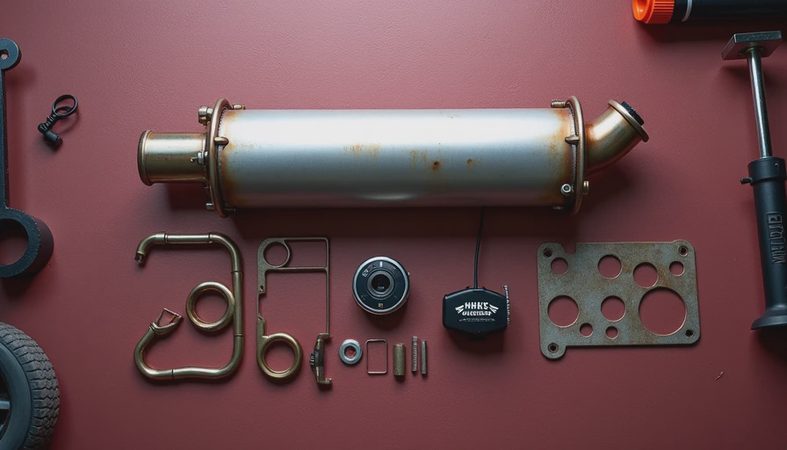
First, record the car’s current sound from inside the cabin and outside at idle, cold start, moderate acceleration, and highway speed. Next, inspect the factory exhaust for rust, broken hangers, and crushed sections. Then confirm whether the proposed pipe diameter matches the existing tubing; a larger pipe is not automatically better.
Ask the installer whether the change affects the catalytic converter, oxygen sensors, heat shields, ground clearance, or bumper tips. Request clean welds, supported hangers, and enough clearance from the fuel tank, brake lines, suspension, and plastic panels. After installation, check for leaks while the system is cold and again after it reaches operating temperature.
The smartest conclusion in the muffler delete pros and cons for daily driven cars comparison is simple: do it for sound, not for dramatic horsepower. It can be a cheap, reversible step on a second car or evolving project. For a commuter that sees frequent highway miles, a quality resonated axle-back or valved system is usually the better finished product. Post your build, include the year, engine, transmission, pipe layout, and driving routine, and the useful feedback will be much better than a generic loud-versus-quiet argument.


No comments yet.