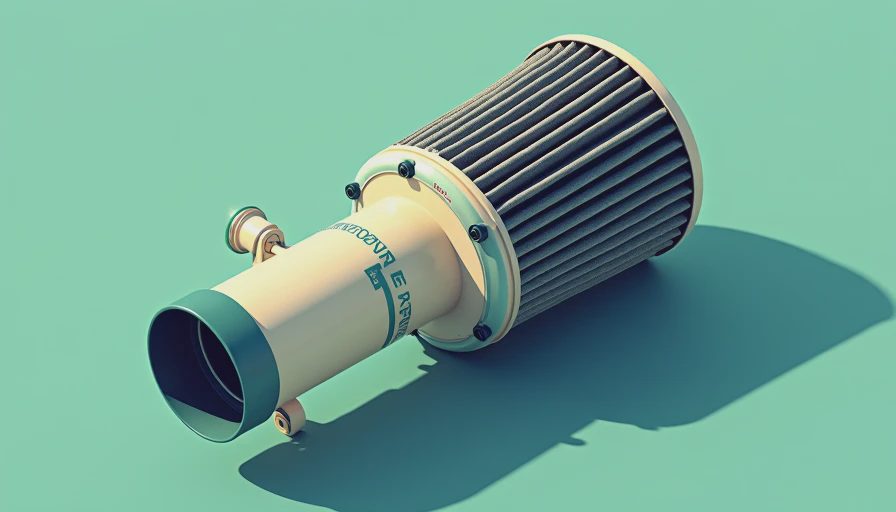
If you are sorting a weekend project and you want a cleaner engine bay without spending four figures, the Spectre cold air intake is usually on the shortlist. It is not the part that turns a slow car into a fast one. What it can do is free up intake sound, reduce some of the restriction in the factory snorkel and airbox, and give you a simple bolt-on that feels like a real change the first time you roll into the throttle. On a street car, that matters more than forum bragging rights. The key is buying it for the right reason: a modest airflow upgrade, easier service, and a better underhood setup than the stock plumbing.
What you get for the money
A lot of people shop a Spectre cold air intake because it lands in the budget-friendly part of the aftermarket. Most kits sit somewhere around the low hundreds, often roughly $180 to $350 depending on the platform and whether the kit includes a heat shield, molded tube, or a reusable filter. That puts it in reach for a driver who would rather spend the rest of the budget on tires, fluids, or a tune. The value is not just the hardware. It is the fact that you usually get a complete package that replaces the stock airbox, inlet tube, and resonator pieces that make modern cars feel quiet and choked off.
The right comparison is not against a hand-built carbon intake or a full custom setup. It is against the factory system on a car that was designed to pass noise targets, emissions targets, and cost targets all at once. In that light, the kit makes sense. You get more induction sound, a cleaner engine bay, and easier filter access. On some platforms, that is the whole win. If the car is already mildly modified with exhaust, spark, or a basic tune, the intake just fits the build better than the stock box ever did.
For a lot of owners, the best part is not peak horsepower. It is the way the car feels in the first 20 percent of throttle. You hear the engine breathe, the pedal response feels a little less muffled, and the setup looks intentional instead of accidental.

Fitment is where the real work happens
The install looks simple until you get into the details. A Spectre cold air intake can be a true bolt-on on one vehicle and a little fussy on another. Watch for mass airflow sensor placement, hose routing, and any vacuum line or breather connection that used to live on the stock airbox. If the sensor sits in the wrong spot or the clamp clocking is sloppy, you can end up with a check engine light or a drivability issue that has nothing to do with the brand and everything to do with how the kit was installed. That is the kind of mistake that burns an evening in the garage.
Before you tighten the last clamp, check hood clearance, fender clearance, and whether the filter is sitting in a hot pocket behind the radiator or close to the tire. A cold air intake works best when it is actually pulling cooler air, not inhaling underhood heat at idle. If the kit uses a heat shield, seal it as well as you can. If it is an open-element style, expect more sound and less isolation from heat soak in traffic. Neither setup is magic. The geometry and the placement matter more than the marketing copy on the box.
This is also where a cheap intake can become expensive if you skip the small parts. Have extra clamps, a fresh socket set, and a rag for cleaning the throttle body neck before installation. A thin film of grime or a crooked coupler can make the whole job feel half done. A careful install usually pays back with fewer headaches later.
What it feels like on the road
The first thing most drivers notice is intake noise. A Spectre cold air intake tends to make the engine more audible under load, especially around mid-throttle and higher rpm. On a V6 or V8 street car, that can be a fun change right away. On a four-cylinder commuter build, it can make the car feel a little more lively without changing the personality so much that it becomes tiring on the highway. That balance is why people keep buying these kits.
As for power, keep the expectations grounded. On an otherwise stock engine, the gain is usually modest. You are not buying 30 horsepower in a box. On some platforms you may feel a small improvement in throttle response or top-end pull, but the real-world result depends on the factory intake restriction, the tune, and whether the engine management can adapt cleanly. If you have a turbo car, an intake change may be more noticeable in sound than in actual acceleration unless the rest of the setup is already sorted. The honest win is consistency: the car breathes a little better and sounds like it means business.
That is why a lot of builders pair the intake with a basic maintenance reset. New plugs, clean throttle body, fresh air filter service, and the car feels better than it did before the parts shopping even started. Sometimes the best gains are the ones that stack.
Who should buy it and who should keep shopping
A Spectre cold air intake makes the most sense for a driver who wants an affordable visual and audio upgrade, does their own wrenching, and is not trying to squeeze every last dyno number out of the car. It also fits a project that still needs funds for brakes, tires, or suspension, because it gives you a noticeable change without taking over the budget. If the goal is a clean, practical street build, that is a fair trade.
It is less attractive if the car is already sensitive to intake changes, if the engine management is picky about airflow modeling, or if the build is headed toward forced induction and a custom tune anyway. In those cases, the money may be better spent on the parts that support the final power goal instead of a stopgap intake. If you are unsure, look at the platform first. Search for real owner reports, listen for common MAF issues, and check whether the kit has room for a proper cold air path before you order.
In plain terms, this is a value part, not a hero part. Used on the right car, and installed with care, it gives a better sound, a cleaner bay, and a mild but real improvement in how the car feels. That is enough reason for a lot of garage builds.
If your project needs a low-risk first mod, the Spectre cold air intake is easy to justify. Buy it for the fitment, the sound, and the simple bolt-on upgrade path, then move on to the parts that matter most for your build. Post your build. We'll read the whole thing.

No comments yet.