If you are starting with a s10 blazer v6, you are already ahead of a lot of project owners who buy a prettier shell with a worse story. The compact body, cheap parts, and simple chassis make this truck a solid candidate for a long build, especially if you want something you can actually finish and drive. A clean title, a straight frame, and a complete drivetrain matter more than shiny paint. Around most regions, a rough driver can still be found in the low four figures, while a cleaner example with fewer missing pieces can move into the mid five figures fast, so the condition of the body sets the tone for the whole project.
Why the s10 blazer v6 still makes sense
The appeal is simple: the platform gives you a small footprint, a huge aftermarket, and enough factory V6 torque to make street driving easy without needing a full race setup. The 4.3-liter truck V6 was common enough that used parts, sensors, and accessory brackets still show up at salvage yards and online listings without a scavenger hunt. That matters when you are trying to build one work session at a time instead of chasing rare pieces for six months. You can keep the truck near stock and still end up with something that feels stronger than the average commuter vehicle, which is usually the smarter play on a limited budget.
Another reason this chassis works is that it tells on bad workmanship quickly. If the steering is sloppy, the brakes are weak, or the cooling system is tired, you feel it right away. That is useful. It means you can sort the truck in layers instead of guessing. On a long build, that kind of feedback saves money because you know whether the weak link is the engine, the transmission, the rear end, or plain old neglected maintenance.
The right parts to pair with the swap
For a s10 blazer v6, the smartest parts choices are usually the boring ones. Fresh ignition components from AC Delco or Delphi, quality hoses from Gates, a new thermostat, and a clean radiator do more for reliability than a random performance catalog order. If the engine is tired, a compression test and leakdown test tell you more than the seller ever will. If the numbers are even and the oil pressure stays stable, the 4.3 can be a decent base for a street truck that still starts every morning.
The transmission deserves the same attention. A healthy 4L60E can be fine for mild use, but a lazy shift, burnt fluid, or delayed engagement means you are already paying for hidden wear. Pull the pan, inspect the fluid, and look at the filter before you throw money at the rest of the truck. If the build is staying naturally aspirated, a stock-style rebuild with good clutches, a fresh cooler, and the right fluids is usually a better move than trying to outsmart the setup with mismatched performance parts.
Budget where the truck actually breaks down
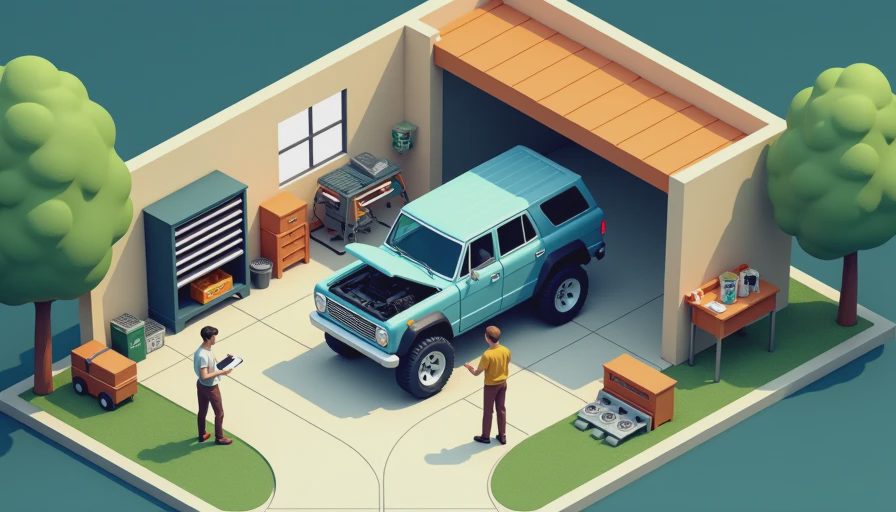
The biggest trap with a s10 blazer v6 is assuming the engine is the expensive part. It usually is not. The bill creeps up in the little places: fuel pump, sending unit, brake hoses, wheel bearings, vacuum line repairs, gaskets, belts, and tire replacement after the truck finally sits on the road again. A solid set of consumables can easily run a few hundred dollars, and a more complete refresh with suspension parts, sensors, and fluids can push a project into the low thousands before you touch cosmetics.
Rust is the other budget killer. Floors, rocker panels, rear frame sections, and the area around the fuel tank are the places to inspect first. If the truck has been patched in three different ways, treat every repair as suspect until you put a light and a pick on it. A straight body with faded paint is usually a better buy than a glossy truck with bondo hiding the floorpans. That rule saves people more money than any brand name on the valve covers.
Cooling, brakes, and steering are not optional
If the truck overheats in traffic, the whole build feels cheap. That is why the cooling system should get real attention, not just a stopgap flush. Check the radiator condition, fan clutch, water pump play, and the condition of the core support. A tired shroud or a weak fan can turn a decent summer drive into a gauge-watching exercise. In the same pass, replace the old radiator cap and inspect the overflow bottle so you are not chasing a false overheat later.
Brakes and steering deserve the same respect. Old rubber lines swell, calipers drag, and worn idler arms make the front end wander on the highway. Moog steering parts, Raybestos brake hardware, and fresh shocks can transform how the truck feels without changing its personality. You do not need to overbuild it. You need it to stop straight, track straight, and stay calm when the road gets rough. That is the difference between a project that gets driven and one that gets parked after the first annoying noise.

Road-test the truck before you call it done
The first real drive should tell you whether the money went into the right places. Start cold and listen for lifter noise, exhaust leaks, or a fuel pump that sounds lazy. Watch idle quality once it comes up to temperature. Then check how the transmission shifts under light throttle and whether the cooling system holds steady after ten or fifteen minutes of stop-and-go traffic. A truck that behaves on a short loop is not finished, but it is honest.
After that, pay attention to steering play, brake pull, and vibration at speed. If the tires are old or mismatched, fix that before you blame the driveline. If the truck still feels loose after fresh parts, you may be looking at a worn steering box, a bent wheel, or a rear axle issue. The point is to isolate the problem instead of tossing parts at it. That approach keeps the build moving and keeps your receipts readable.
When the s10 blazer v6 is worth the money
A s10 blazer v6 is worth buying when the structure is solid, the title is clean, and the drivetrain is complete enough that you are not shopping for every missing bracket on the internet. If the body is straight and the truck already has a decent running engine, you can spend the next few months improving it instead of rescuing it. If the frame is rusty, the wiring is hacked, and the interior smells like mice, walk away unless you want a full restoration project.
That is the real test. Buy the truck that gives you the shortest path to a finished driver, then make every part of the build support that goal. Keep the work simple, document it, and fix one system at a time. If a s10 blazer v6 shows up with the right bones, it can still be one of the best old-school street projects in the garage. Post your build. We'll read the whole thing.

No comments yet.