If you are shopping cars datsun 240z, the first thing to understand is that you are not just buying an old Nissan coupe. You are buying a rust history, a parts trail, and somebody else’s half-finished decisions. The good news is that the platform still rewards a careful buyer. A straight shell with decent gaps, matching body panels, and a complete interior can save months of work and thousands of dollars later. The bad news is that a cheap car with bad metal can turn into a floor-pan, rocker, and rear-suspension nightmare before you even touch the engine. That is why the best builds start with a hard look at structure, not shine.
Why the market stays strong
A clean example of cars datsun 240z still pulls real money because the shape is iconic, the weight is low, and the L-series inline-six responds well to sensible upgrades. You can keep it period-correct with SU carbs and factory-style steel wheels, or move into a later fuel-injected setup, better brakes, and a five-speed without killing the character. Buyers also like that the cars are simple enough to work on at home. There is no maze of body modules or late-model electronics to sort out. The problem is that the supply of solid bodies keeps shrinking. A running driver with honest paint and usable trim can sit in the $25,000 to $40,000 range. A rough but complete project can still be worth $8,000 to $20,000 if the shell is worth saving.
Rust is the reason the price spread is so wide. A shiny repaint can hide weak floors, crusty doglegs, or damage near the battery tray and hatch lip. If the seller cannot show clear photos of the underside, assume you will find more problems than advertised.
What to inspect before you hand over cash
When you look at cars datsun 240z in person, start under the car and work upward. Check the frame rails, floor pans, rocker panels, spare tire well, and the rear strut towers. Look at the lower cowl area too, because water intrusion there can create expensive surprises. Open and close the doors, hood, and hatch. If the body has been hit and patched badly, the gaps will usually tell on it. A driver-quality car does not need perfect paint, but it should have solid structure and reasonably straight panels.
Mechanically, listen for a cold start, watch oil pressure, and ask when the valve cover was last off. The original L24 is tough when maintained, but tired cooling systems, old fuel hoses, and neglected ignition parts can make one feel far worse than it is. A complete, running car with receipts beats a shiny shell with no records. If the seller has photos of the restoration, that is even better.
The smartest build path for most owners
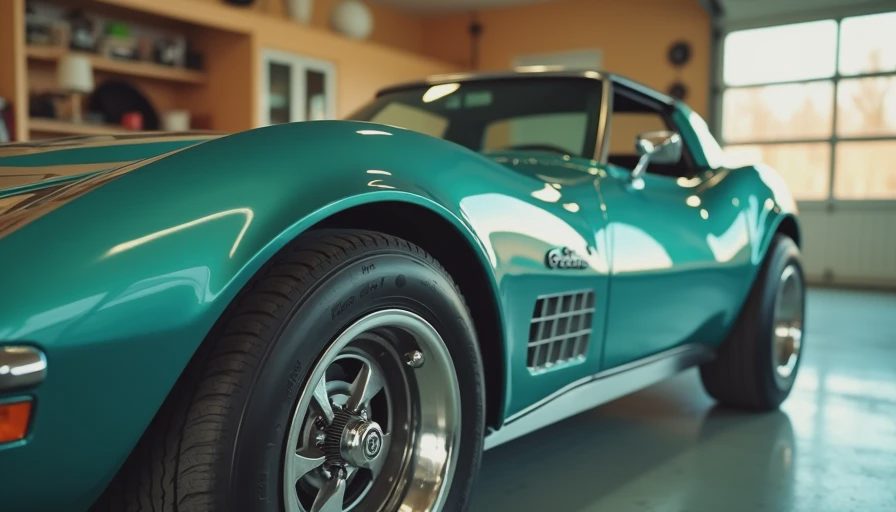
For most cars datsun 240z, the smartest street build starts with reliability. Fix the cooling system first, then the fuel system, then the brakes. A clean radiator, new hoses, a proper thermostat, and a sorted mechanical or electric fan setup do more for real-world drivability than a loud exhaust ever will. After that, spend money where the car actually changes in traffic and on back roads. Good shocks, fresh bushings, and quality tires make the chassis feel alive without turning the car into a harsh track toy.
If you want more power, the usual move is a later L28-based swap, mild cam, and a well-sorted intake and ignition package. Keep the gearing matched to the engine so the car does not feel lazy out of corners. A later Nissan five-speed also makes highway miles easier. The point is not to build the fastest version possible. The point is to keep the car balanced so you want to drive it every week, not only after a major shop session.
Budget ranges that make sense
On cars datsun 240z, a presentable driver with older paint, decent chrome, and a healthy drivetrain can land in the mid-$20,000s to low-$30,000s. Once you get into straight metal, clean trim, and a sorted interior, the number climbs fast. A restoration-quality car can push well past $50,000, and a top-tier build with correct details and rust-free panels can go much higher. That is why it pays to decide early whether you want a driver, a project, or a showcase piece.
A smart first-year budget often includes more than the purchase price. Plan for tires, fluids, hoses, ignition parts, brake work, and at least one surprise repair. Even a respectable car can swallow $2,000 to $5,000 quickly if you are making it roadworthy. A rough car can demand several times that before you ever address upgrades. The cheapest buy is rarely the cheapest ownership story.

Parts sources and the common traps
The biggest mistake with cars datsun 240z is buying parts before you define the build. People end up with wheels that rub, coilovers that are too stiff for street use, or engine parts that do not match the rest of the package. Start with a clear plan and order around that. For common replacement pieces, vendors like Motorsport Auto, Z Car Depot, Arizona Z Car, and RockAuto can cover a lot of ground. For Nissan-specific items, OEM or reproduction stock is often still the best answer when fitment matters more than bargain pricing.
The other trap is chasing horsepower before the chassis is ready. A tired steering box, loose suspension, or weak braking system will make the car feel worse after an engine upgrade. If you are going to spend money, spend it in the order the car feels it: structure, brakes, suspension, cooling, then power. That sequence keeps the build on the road instead of on jack stands.
What to ask the seller before you drive out
When you are comparing cars datsun 240z, ask the seller for underside photos, rust repair history, engine numbers, and any old registration or restoration paperwork. Ask whether the car still has its original transmission, diff, and carb setup, because that affects both value and future parts sourcing. If the answer is vague, assume you will need to budget for detective work after the sale. A seller who can show honest documentation usually has a better car than the one polished just for photos.
If you find a solid shell, buy the best body you can afford and build from there. Paint can be redone. Mechanical systems can be refreshed. Bad metal eats time, money, and motivation. That is the real lesson with these cars, and it is why the right shell is worth walking away for.
Post your build. We’ll read the whole thing.

No comments yet.