If you're shopping for a car for drift, start with the boring questions first: how much seat time do you want, what parts can you buy used, and how fast can you fix the thing after you bend a control arm? The shiny answer is usually wrong. The right answer is a rear-wheel-drive chassis with cheap parts, a manual gearbox, and enough factory support that you can buy another hub, knuckle, or bumper on a Tuesday night and have it on the car by the weekend. The goal is not to build a dyno hero. It's to build something you can slide hard, repair fast, and learn from without burning the whole budget on one piece at a time.
What makes a strong starting point
A rear-wheel-drive coupe or sedan from the late 1990s to mid-2000s is still the sweet spot. The Nissan 350Z and Infiniti G35 usually sit in the $5,000-$10,000 range if the miles are reasonable. BMW E36 cars can be cheaper, often $3,000-$7,000, but rust and cooling history matter. An IS300, SN95 or New Edge Mustang, and NB or NC Miata can all work too, depending on your height, parts pool, and local tire budget. A car for drift should not be a rare trim level or a clean collector piece. You want something with enough junkyard support that a mishap costs a Saturday, not a whole season.
Wheelbase and weight matter more than ego. Shorter cars change direction fast but can get twitchy; longer cars feel calmer at higher speed and are usually easier for a new driver to catch. That is why an E36 or 350Z often feels less stressful than a chopped-up luxury coupe with mystery geometry. Check title status, rust around strut towers and pinch welds, and whether the previous owner already drilled the shell into a science project. A straight, boring, complete shell beats a trashed cheap one every time.
The parts that matter before horsepower
Before you chase boost, get the rear end sorted. An open differential is fine for commuting and useless when one wheel unloads. A welded diff is cheap, usually a few hundred dollars with labor, and it gets the job done for a dedicated track car, but it can be rough on the street. A clutch-type LSD from Cusco, Kaaz, or OS Giken costs more, yet it gives smoother transitions and less parking-lot chatter. On the front end, coilovers from BC Racing, Fortune Auto, Tein, or KW give you ride-height and damping control; the right choice depends on whether you value budget, refinement, or both.
Angle is the next big lever. A mild angle kit from GKTech or similar aftermarket arms can transform a car without turning the steering into a science experiment. You do not need the most expensive Wisefab setup on day one unless you are already running fast circuits and know exactly why you need it. Set the car with fresh tie rods, good ball joints, and a steering rack that does not bind. Then add a bucket seat, a decent harness if the event rules allow it, and high-temp brake fluid. A hydraulic handbrake is nice in the right environment, but it should never hide bad setup.
Budget paths that keep you moving
A car for drift does not need to start as a clean showpiece. A $5,000 path usually means a decent shell, service parts, and enough tire money to get through the first events. A $10,000 build can add proper coilovers, an angle kit, and a clutch-type LSD without making the car feel half-finished. At $15,000 to $20,000, you can refresh bushings, cooling, brakes, and safety gear and still have room for seat time. The trick is to buy the least broken car you can find, then spend in the order that makes the next event possible.
That order is usually fluids, tires, alignment, diff, suspension, and only then power. If the car is a 240SX, E36, Mustang, or 350Z, used parts are everywhere. That means you can compare deals instead of paying retail for every bracket and spacer. A used set of BC Racing coilovers might save $400 to $700 versus new. A pair of rear wheels and tire take-offs from a local event can get you a month of practice for less than one new performance tire. Keep the spreadsheet honest and the car will stay alive longer.
Reliability fixes that save weekends
The smartest car for drift builds spend money where failure hurts most. Cooling is a big one. A healthy radiator, good hoses, a working fan setup, and clean coolant matter more than another 20 horsepower. If you are running heat-soaked laps in summer, consider an aluminum radiator, an oil cooler, and fresh thermostat hardware. Power steering fluid can boil, differential fluid can cook, and brake fluid can go soft after repeated pedal use. When that happens, the whole car feels bad, even if the engine is strong.
Spare parts are part of the build, not an afterthought. Carry front tie rods, a belt, wheel studs, an extra spark plug set if the engine is old enough to earn it, and at least one known-good spare wheel. If your shell is a BMW E46, Nissan Z, or Mustang, buy the common failure items before the first event. Bushings, motor mounts, and wheel bearings are cheap insurance compared with a tow bill. A car for drift that can finish three sessions in a row is worth more than one that makes big power once and then sits on a jack stand.
Alignment, tires, and the first month
Alignment changes the personality of the car more than most people expect. A little more front camber helps the tire stay flat at angle. Front toe slightly out can sharpen turn-in, while a touch of rear toe in helps stability. The exact numbers depend on chassis and tire, but the idea is simple: make the front eager and the rear predictable. This is where a proper shop alignment pays for itself. You do not need race-car specs to start; you need a setup that does not fight the driver.
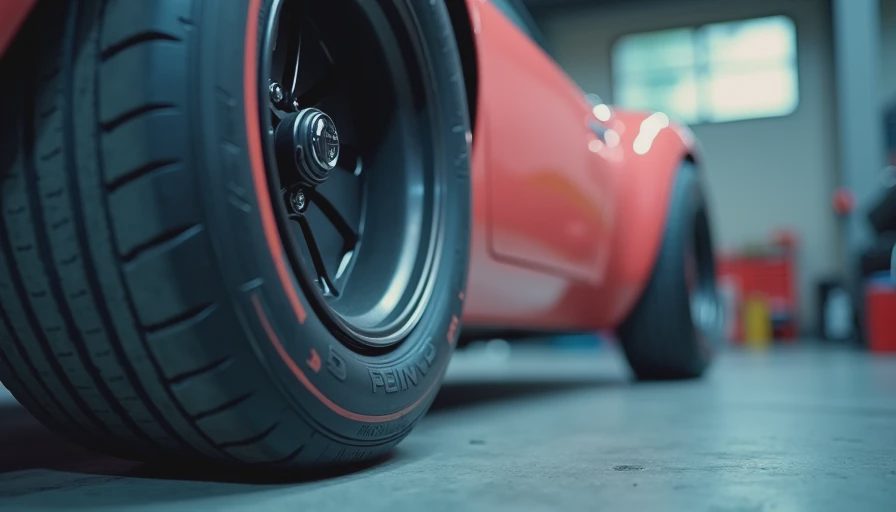
Tire choice is where practice lives or dies. Cheap used tires in 225/45R17 or 235/40R17 sizes are common for learning, especially on cars like an E36, 350Z, or Miata. Once you know how the chassis reacts, you can decide whether you want more grip or more smoke. A car for drift that uses the right tire at the right pressure feels easier to read, and that means faster progress. If every session ends with surprise spins, the problem is probably setup, not talent.
A car for drift that survives learning season usually follows the same pattern: baseline maintenance, one handling change, one safety upgrade, then test day. Start with fresh oil, plugs, brake pads, and a tire inspection. Fix leaks. Verify that the cooling system holds pressure. Then install the diff, coilovers, and alignment parts in one stretch so you are not guessing which change caused the new behavior. After that, stop modding for a minute and gather data. Note tire wear, coolant temp, oil temp if you have a gauge, and what the car does on transition. If you want a build that keeps teaching you next month, choose parts you can explain, not parts you can only show off. Post your year, model, power goal, and event type, and the crowd can help you fill in the gaps. Post your build. We'll read the whole thing.

No comments yet.