California tint laws get messy fast if you only hear the shorthand. The real issue is not just how dark the film looks, but how the glass and film read together, especially on the front side windows. A clean install can still be illegal if the combined VLT drops too low, so the safe move is to have the shop meter the window after the film goes on and give you a reading you can keep with the car.
What California actually measures
Under california tint laws, the state cares about visible light transmittance, or VLT, which is the amount of light that can pass through the window. That sounds simple until you factor in factory glass, which is often already slightly tinted before any aftermarket film goes on. For front side windows, the legal question is usually the final result of glass plus film, not the film roll by itself. That is why a driver can buy a product labeled “70 percent” and still end up with a window that reads too dark after install. If you want to stay out of trouble, ask the installer to measure the window after curing and confirm the combined reading, not just the box label.
The windshield is a different animal. California generally allows only the upper strip above the AS-1 line, which is why most legal windshield tint jobs are just a narrow sun band at the top. The rear glass is more flexible, but the car still has to meet the mirror requirement if the back window is tinted. In practice, that means the law is less about the vibe of the build and more about what a meter sees when the job is done.
Front windows, windshield strip, and the shop meter
If you are trying to keep a daily driver quiet and legal, start with the front side windows. California generally limits aftermarket film there to a very light setup, and the final combined result has to stay within the rule set after the factory glass is counted in. That is why shops that know california tint laws will talk in terms of measured VLT, not just film brand or shade name. A proper installer should show you the meter, explain how the glass was read, and tell you whether the car is safe before you pay.
The cleanest way to approach it is to tell the installer exactly what you want: heat reduction, UV protection, and as much privacy as the law allows. Ceramic films from brands like Llumar, 3M, XPEL, and SunTek can cut heat well without looking flashy, which matters when the front doors have to stay light. On the windshield, keep expectations narrow. The top strip is for glare, not a full dark band, and anything more aggressive is asking for a citation or a redo.

Rear glass, side mirrors, and the darker look
The rear half of the car is where a lot of builders get the look they want. Sedan, hatchback, and SUV owners often run darker rear glass because it helps with cargo privacy and cabin heat, and that part of the car is usually far less restrictive than the front doors. Even so, california tint laws still matter here because the rear window changes the mirror rule. If the back glass is tinted, the car needs dual side mirrors so the driver still has enough rearward visibility.
That is a practical tradeoff, not just a legal footnote. A coupe with a tiny back window can feel easier to park with a dark rear film and good mirrors, while a long roofline wagon may need a lighter shade so the backup camera and mirrors are doing less of the heavy lifting. The point is to match the tint to the car’s layout. A darker rear setup can look factory and work well, but it should be installed with the rest of the driving setup in mind, not treated as a standalone styling choice.
Reflective tint is a separate problem
A lot of drivers fixate on darkness and ignore reflectivity, which is where tickets often sneak in. California also restricts reflective, mirror-like film, so a window that passes a VLT check can still be a problem if it throws back too much shine. That is especially true with older metallic films or bargain products that look silver in bright sun. The car might read legal on the meter and still stand out like a rolling mirror when it pulls past an officer or a toll camera.
This is where a smart buyer chooses appearance and heat control together. Non-reflective ceramic film usually gives a cleaner finish than shiny metallic material, and it plays nicer with factory glass colors. If you are trying to keep the car subtle, ask the shop to show you examples in daylight, not just under garage lights. california tint laws do not reward a flashy look, and the cheaper film is often the one that causes the most drama later.
What a good installer should show you before you leave
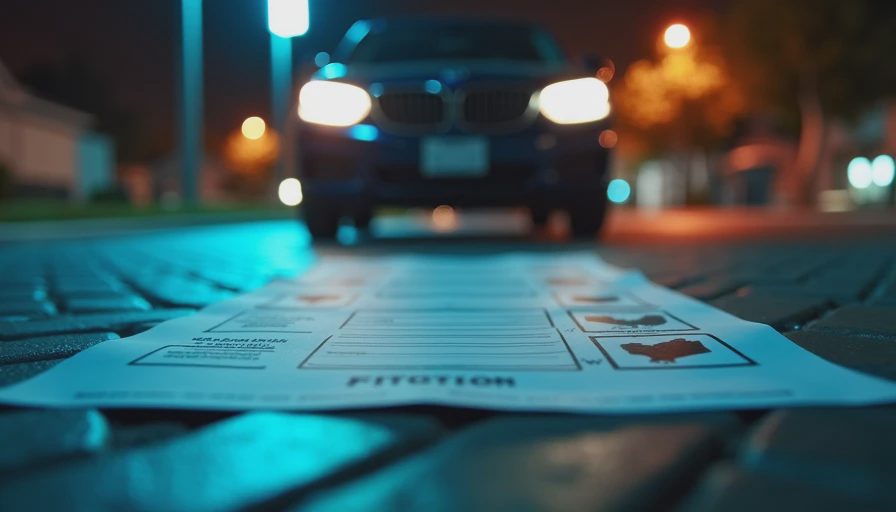
A decent tint shop should do more than install film and hand you an invoice. They should talk through the final VLT reading, point out the front side window limit, and explain whether the rear window creates any mirror requirement for your car. If they do not own a meter, that is already a bad sign. If they cannot explain how the glass and film were measured together, that is worse. This is one of those jobs where a thirty-second conversation saves a $200 removal bill later.
For a lot of drivers, the real cost is not the first install. It is the second one. Removing bad film can run from about $100 to $300 depending on the car and the glue mess, and a full retint often pushes the total much higher. That is why california tint laws are worth getting right the first time. A clean install on a sedan with quality film might cost $300 to $800, while a quick redo after a citation can easily burn through the savings. Spend the money once, not twice.
A simple way to stay legal without killing the look
The easiest way to work with california tint laws is to decide the goal first, then let the law shape the shade. If you want heat rejection, choose a good ceramic film. If you want privacy, move that darker look to the rear doors and rear glass. If you want the front of the car to stay clean, keep the side windows light and let the meter decide, not the label on the box. That approach gives you a car that looks intentional instead of patched together.
If you are planning a fresh tint job, bring your build context to the shop the same way you would for wheels or suspension. Tell them the car, the year, the daily driving conditions, and whether you want a stock-looking finish or a more aggressive build vibe. The right installer will know how to balance that against the law and show you the measured result. Post your build. We'll read the whole thing.

No comments yet.