The 2005 Toyota Matrix looks like a plain econobox, but it shares its platform with the ninth-generation Corolla. That means parts are plentiful, aftermarket support is solid, and the price of entry is laughably low. If you want a hatchback you can daily drive while slowly turning it into something fast, this is one of the most undervalued starting points in the used car market. In my own shop, I have wasted far more money on more popular platforms; this is the car I keep coming back to for budget builds.
Why the 2005 Toyota Matrix Is a Better First Project Than a Civic
The Civic gets all the hype, which drives up prices on everything from coilovers to transmission parts. The market for this Matrix is quiet, and that is exactly what a smart builder wants. You can find a running base model with 150,000 miles for around $1,800, or you can hunt down a neglected XRS for $3,500. Body panels, control arms, and subframe components are all shared with the Corolla, so junkyards are a goldmine. And the hatchback layout gives you a flat load floor, so you can haul a spare engine or a set of wheels without renting a truck.
Two Engines: The 1ZZ-FE and the 2ZZ-GE
The 1.8-liter engine choices are the first split in the 2005 Toyota Matrix lineup. Most base and AWD models use the 1ZZ-FE, a simple 126-horsepower four-cylinder that sips fuel and will run forever if the oil is topped off. The catch is that many 1ZZ engines burn oil as the rings wear, so a car that smokes at startup should be haggled down. The XRS trim gets the 2ZZ-GE, a 180-horsepower engine with lifted cam profiles that hit at 6,200 rpm. That lift is what makes the XRS special: the car pulls harder as you approach 8,000 rpm and sounds like a motorcycle doing it. If a true XRS is out of budget, you can swap a 2ZZ into a base shell using Corolla XRS parts; the engine bay is essentially the same and the wiring is well documented.
What to Fix First on a 2005 Toyota Matrix
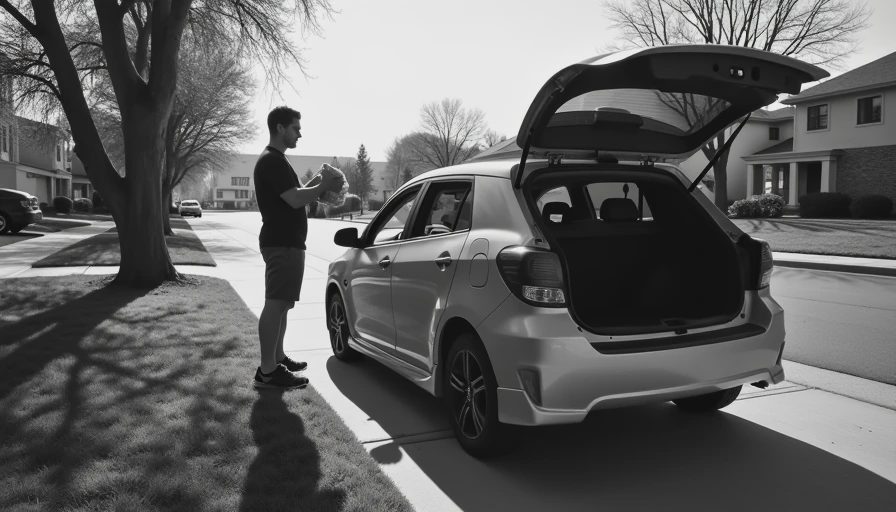
Before you dump money into add-ons, the 2005 Toyota Matrix needs a few common repairs sorted. Rear wheel arch rust is the first thing to check, especially on cars that spent winters in the salt belt. The hatch wiring harness frays at the hinge and kills the wiper and license plate lights; budget an afternoon to splice in new wires. On 2ZZ cars, the plastic intake manifold is a known weak point that cracks with age, so plan on swapping to an aluminum aftermarket piece. And replace every rubber bushing in the rear suspension. The original ones are likely rock hard by now, and fresh bushings will do more for handling than a $400 set of coilovers ever could.
The Smart First Mods That Actually Matter
If you want to feel the difference without breaking the bank, start with a rear anti-roll bar from a Corolla XRS, a set of Koni or KYB shocks, and decent performance tires. The factory springs are soft, so a simple spring and damper combo from TRD or Eibach sharpens the car without ruining the ride. On the engine side, a cold air intake from K&N or Weapon R adds induction noise more than power, but it is cheap and easy. The most important first upgrade is brakes: the base Matrix came with small front rotors and weak pads, and a swap to Celica GT-S calipers and rotors gives you much better stopping confidence for a few hundred dollars.

Power Plans: Turbo, Supercharger, or 2ZZ Swap
The 1ZZ-FE is not a great candidate for a big turbo because the pistons are prone to cracking under detonation. A low-boost setup at 6 to 8 psi is fine, but you will need engine management. Toyota sold a bolt-on supercharger for the 1ZZ through TRD back in the day; those kits show up occasionally on forums but they are getting expensive. The smarter path for a serious build is a 2ZZ-GE swap. Pick up a wrecked Corolla XRS or Celica GT-S, pull the engine, ECU, and wiring, and you get an 8,200 rpm redline and close to 180 horsepower. For the budget conscious, a 2005 Toyota Matrix with a fresh 2ZZ, headers, and a cat-back exhaust is genuinely quick for the money.
Document the Build: A Forum That Remembers
Maybe the best part of owning a Matrix like this is how easy it is to document the transformation. Facebook groups and Reddit threads are the default for build updates, but they bury old posts in a week and make it impossible to find a torque spec later. A dedicated build thread on Garagestall keeps every detail in one searchable place, from the day you pull the engine to the night you finally get it tuned. Throw in your own torque specs, part numbers, and dyno runs, and you will help the next builder who is pulling the same 2ZZ swap.
Final Thoughts
The Matrix may not win any trophies in stock form, but it is one of the most honest, usable project cars you can buy today. Start with the repairs, pick an engine path, and then come share the journey with the rest of us.

No comments yet.