An e30 turbo kit is not a single box that turns an old BMW into a finished track car. It is the center of a system that includes exhaust flow, fuel delivery, engine management, cooling, drivetrain strength, and careful tuning. The right kit can make an E30 feel completely different without destroying the character that made the chassis special. The wrong kit creates boost leaks, wiring problems, overheating, and a parts pile that stays on the garage floor for months.
Before ordering anything, write down the car's year, engine, transmission, intended fuel, target power, and use. A street-driven 325i with a stock M20 and a conservative 250 wheel horsepower goal needs a different plan than an S52-swapped car aimed at repeated track sessions. Treat the build as a complete project, not a shiny manifold purchase.
Start With the Engine and Power Goal
The M20B25 is a common starting point because it fits the E30 bay naturally and has broad aftermarket support. A healthy, compression-tested engine can handle a conservative turbo setup when the tune, fuel system, and oil control are right. That does not mean every original bottom end deserves maximum boost. Age matters. So do ring seal, cooling-system condition, head fasteners, timing-belt history, and oil pressure.
A sensible first target is often 220 to 280 wheel horsepower for a street car. That range can deliver a dramatic improvement while keeping traction, heat, and drivability manageable. At higher output, forged pistons, stronger rods, head studs, better engine management, and a more serious fuel system become increasingly difficult to avoid. A turbocharger that can make 500 horsepower is not automatically a good match for a stock engine used on public roads.
Compression and leak-down testing should happen before parts are removed. Record the results, photograph the engine bay, and label every connector. If the car has been sitting, replace brittle vacuum hoses and inspect the fuel tank, pump wiring, and brake lines before adding power. Boost exposes neglected maintenance quickly.
What a Complete E30 Turbo Kit Should Include
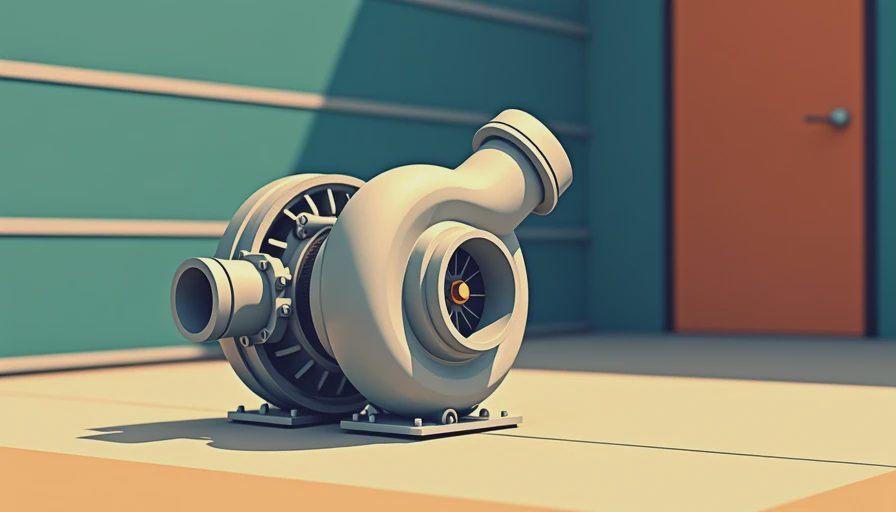
A useful e30 turbo kit normally begins with a properly designed exhaust manifold, turbocharger, wastegate, downpipe solution, intercooler, charge piping, blow-off valve, oil feed, and oil drain components. Some packages include injectors, a fuel pump, engine-management hardware, and a wiring harness. Others are only hot-side parts, despite being advertised as a kit. Read the contents line by line.
The manifold flange must match the selected turbocharger, and the wastegate placement should allow stable boost control. A cheap external wastegate location that points directly into a tight section of the bay can make installation and service miserable. Check for steering-shaft clearance, hood clearance, brake-booster space, and room around the radiator before buying.
Turbo sizing is a compromise. A Garrett G25-550 or BorgWarner EFR 6258 can suit a responsive street build, while a larger unit will support more top-end power at the cost of earlier spool and packaging space. The exact result depends on displacement, camshaft, exhaust housing, turbine inlet, and tune. Do not select the turbo based only on the largest horsepower number printed on a catalog page.
Intercooler placement also deserves planning. A front-mount intercooler can lower intake temperatures, but it may require bumper trimming and longer charge piping. Keep the piping short, use quality couplers, and make sure the clamps can survive heat and pressure. Pressure-test the finished system before the first road drive.
Fuel, ECU, and Sensors Are the Real Foundation
Fuel delivery is where many budget turbo builds become unsafe. The pump must support the injector size and fuel pressure at the expected duty cycle. A modern in-tank pump from AEM, DeatschWerks, or Walbro can work well when the wiring and fuel lines are suitable. Old rubber hose, corroded connectors, and a dirty tank should not be carried into a boosted build.
Injector selection depends on horsepower, fuel type, base pressure, and engine configuration. Oversized injectors are not automatically better if the ECU cannot control them cleanly at idle. A standalone ECU such as Haltech, Link, or MaxxECU can provide useful logging, boost control, flex-fuel capability, and safety strategies. A well-supported engine-management package is often worth more than an expensive turbocharger.
Install a wideband oxygen sensor, manifold pressure sensor, intake-air-temperature sensor, and fuel-pressure monitoring before tuning. Log coolant temperature, ignition timing, injector duty cycle, and air-fuel ratio under load. The e30 turbo kit should be treated as unfinished until the datalog shows stable pressure and sensible temperatures across the rev range.
Use a reputable dyno tuner who understands the chosen ECU and engine. Start with wastegate spring pressure, verify the fuel and ignition tables, and increase boost in measured steps. A boost-control solenoid should never be used to hide a mechanical problem.

Cooling, Oil Control, and Drivetrain Planning
Turbocharging adds heat even when the engine makes modest power. A clean radiator, fresh water pump, functioning fan, and properly bled cooling system are basic requirements. Many owners upgrade to an aluminum radiator, but capacity alone does not solve poor airflow. Seal gaps around the radiator and provide a clear exit path for hot air.
Oil supply deserves equal attention. Use the turbo manufacturer's recommended feed restrictor and line size rather than guessing. The drain needs a continuous downhill path into the pan, above the oil level, with no sharp low spots. A badly positioned drain can smoke, push oil past the turbo seals, or create a mysterious leak that sends the build back onto jack stands.
The stock clutch may survive a mild setup if it is healthy, but an old clutch that already slips will not improve with boost. Budget for a stronger clutch, fresh guibo inspection, driveshaft service, and differential-mount reinforcement. The Getrag 260 can be useful in a moderate street build, while higher torque goals require honest discussion about transmission condition and replacement options.
Brakes and tires should match the new acceleration. Quality pads, fresh fluid, good tires, and functioning suspension bushings make the car easier to control than simply adding more power. A turbo E30 is still an old chassis, and worn components become more noticeable when corner entry arrives faster.
Budget the Project in Stages
A realistic e30 turbo kit budget extends beyond the advertised kit price. A basic hot-side package might cost $2,000 to $4,000, while a complete, documented system with ECU, injectors, intercooler, fuel pump, clutch, cooling upgrades, and tuning can push the total toward $6,000 to $10,000 or more. Labor is not free just because it happens in your garage; fittings, fluids, fasteners, sensors, and replacement parts add up quickly.
Buy in stages. First make the engine healthy and the chassis reliable. Next mock up the manifold, turbo, downpipe, radiator, and charge piping. Then finish fuel and wiring before finalizing heat shielding. Keep a spreadsheet with part numbers, costs, connector types, and outstanding tasks. That record turns a frustrating pile of components into a repeatable build journal.
Do not spend the entire budget on the turbo and manifold. Reserve at least 15 to 20 percent for the problems that appear after test fitting: a custom oil drain, a changed intercooler bracket, a damaged coolant hose, or an ECU sensor that does not match the harness.
A Practical First-Start Checklist
Before first start, confirm oil pressure with fuel and ignition disabled. Check every fuel connection for leaks, verify injector firing, and inspect the turbo oil drain. Pressure-test the charge system, check that the wastegate actuator moves, and confirm the throttle returns cleanly. Make sure the wideband sensor is installed where it can read exhaust flow accurately.
After startup, let the engine reach operating temperature while watching oil pressure, coolant temperature, fuel pressure, and air-fuel ratio. Do not begin with a highway pull. Drive gently, inspect for rubbing hoses and exhaust contact, then review the logs. Recheck fasteners after the first heat cycle and again after several short drives.
The best e30 turbo kit is the one that matches the engine, the driver's patience, and the actual use of the car. A responsive 250-horsepower setup with clean wiring and reliable cooling is a better long-term build than a 600-horsepower promise that never gets tuned. Document every change, including failed ideas and revised brackets. Post your build. We'll read the whole thing.



No comments yet.